For generations, retirement was regarded as the final reward for a lifetime of work. People expected to leave their jobs in their 60s, receive a pension and spend their remaining years resting, travelling, caring for grandchildren or pursuing personal interests. Today, however, that familiar picture is changing.
Across the United States, the United Kingdom and Europe, growing numbers of retired people are returning to paid employment. Some go back to their former professions, while others take part-time jobs, work as consultants, start small businesses or earn money through online platforms. There are also people who continue working after becoming eligible for a pension and never retire in the traditional sense.
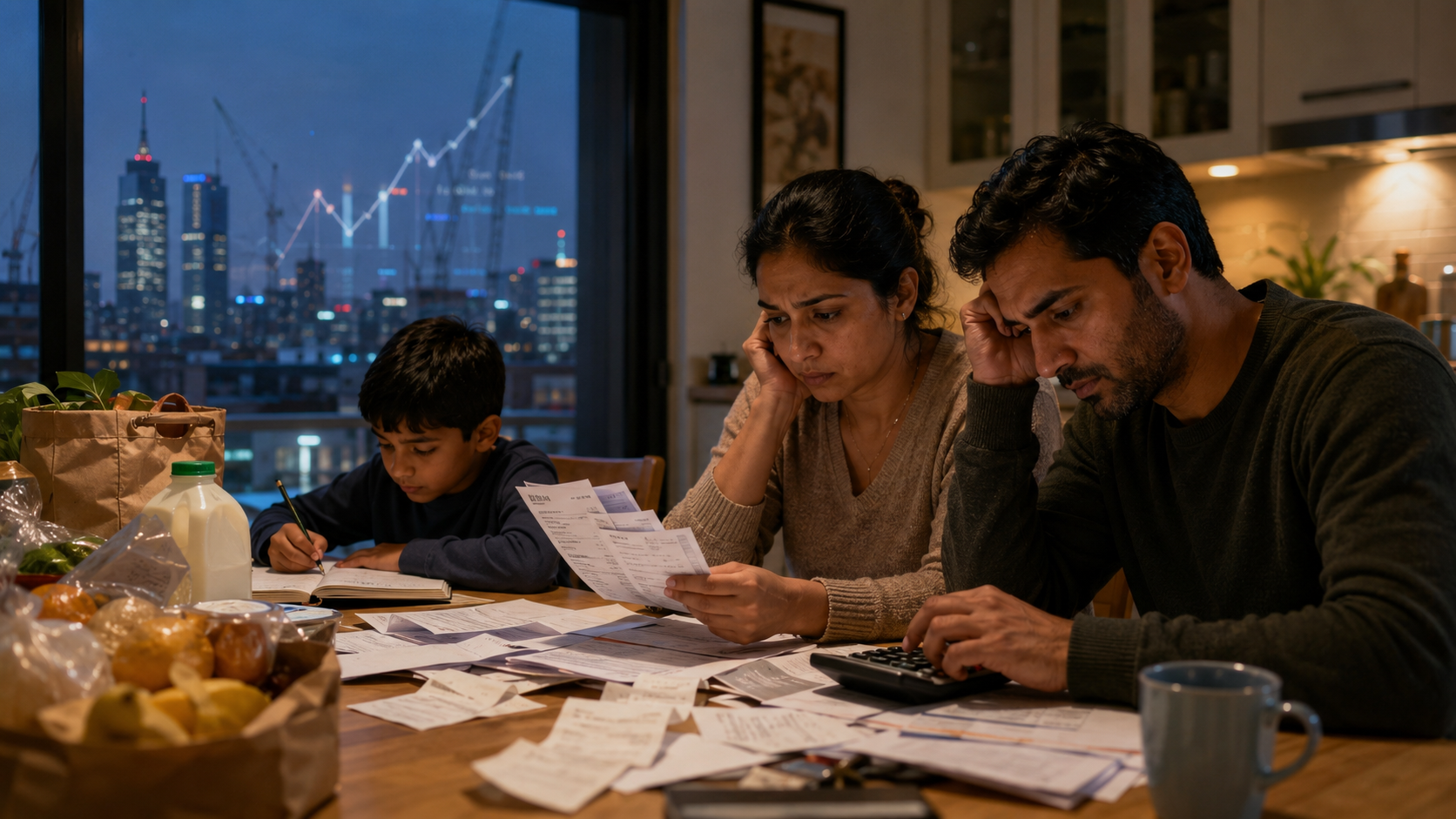
This development is sometimes called “unretirement.” It reflects profound changes in the economy, pension systems, life expectancy and people’s attitudes towards later life. For some retirees, working again is an enjoyable choice that brings purpose and companionship. For others, it is a financial necessity caused by rising prices and inadequate retirement income.
The Traditional Idea of Retirement Is Changing
Retirement used to be treated as a single and permanent event: a worker left employment, received a farewell from colleagues and began a life supported by a state or workplace pension.
The modern experience is becoming far less predictable. A person may leave a full-time career, remain outside the workforce for a year and then return to a flexible position. Another may claim a pension while continuing to work two or three days a week. Some people alternate between employment and retirement according to their health, family needs and financial situation.
European data confirms this gradual transition. According to Eurostat, 10.2 percent of people aged 50 to 74 who were receiving an old-age pension were also employed in the European Union in 2023. Around 13 percent continued working after receiving their first old-age pension.
Most of these older employees were not working conventional schedules. Some 57 percent of employed old-age pensioners in the EU were working part-time, compared with approximately 20 percent of the wider employed population aged 15 to 74.
The figures suggest that many older people are not rejecting retirement completely. Instead, they are trying to combine the freedom of retirement with the financial and social benefits of employment.
The Cost-of-Living Crisis Has Changed Retirement Plans
The rising cost of everyday life is perhaps the most important reason retirees are returning to work.
Following the COVID-19 pandemic, households across the United States, Britain and Europe experienced sharp increases in the cost of food, electricity, gas, transport, housing and insurance. Although inflation later slowed, that did not mean prices returned to their previous levels. It simply meant that they were increasing more slowly.
This distinction is extremely important for retired people. Someone living on a relatively fixed monthly income can face serious difficulties when grocery bills, energy costs and housing expenses remain permanently higher.
In the United States, the Federal Reserve reported that 37 percent of adults identified inflation and prices as their main financial challenge in 2024. That was a dramatic increase from only 8 percent in 2016. Another 22 percent cited basic living expenses, while 13 percent identified housing as a major concern.
The situation has also been evident in Britain. An Office for National Statistics survey of people over 50 who had left employment during the pandemic found that 90 percent had experienced a rise in their cost of living. Among the respondents, 96 percent reported higher food-shopping costs, while 87 percent faced higher energy bills and fuel prices.
For a pensioner whose income does not rise at the same speed as household expenses, even a part-time job can make a significant difference. A few days of paid work each week may help cover utility bills, council tax, property repairs, rent or healthcare expenses without forcing the individual to use savings too quickly.
Many People Have Not Saved Enough
The retirement systems of Western countries have changed considerably. In previous decades, many employees received defined-benefit pensions that guaranteed a certain income for life, usually based on salary and years of service.
Today, workers are more likely to depend on defined-contribution plans, such as 401(k) accounts in the United States or workplace pension pots in the UK. Under these arrangements, the final retirement income depends on how much was contributed, how investments performed and how the money is managed after retirement.
This transfer of responsibility from employers to individuals creates greater uncertainty. Some workers have interrupted careers, low wages or periods when they cannot make pension contributions. Others withdraw retirement savings early to pay debts, cover medical costs or survive unemployment.
The Federal Reserve reported in 2025 that only 35 percent of American adults who had not yet retired believed their retirement savings were on track. Although that represented an improvement from 2022 and 2023, it remained below the 40 percent recorded in 2021.
Even people who enter retirement with apparently substantial savings may underestimate how much they will need. A pension fund must often provide income for 20, 25 or even 30 years. During that time, retirees may face expensive medical treatment, home maintenance, care costs or the need to support adult children and grandchildren.
Returning to work can therefore serve as a way to preserve savings. Instead of withdrawing heavily from an investment account during a weak market, a retiree may take a temporary job and allow the remaining investments more time to recover.
Living Longer Means Financing a Longer Retirement
Increased life expectancy has transformed retirement planning. Many people are reaching their 60s in relatively good health and may live well into their 80s or 90s.
Longer lives should be celebrated, but they create a difficult financial question: how can someone be sure that their money will last?
A person retiring at 62 may require income for three decades. During that period, inflation can reduce purchasing power, while healthcare and care-related costs can increase with age. The fear of outliving savings is one reason even financially comfortable retirees may decide to work again.
The OECD has highlighted how pension income can fall behind the earnings and living standards of working households. Across the countries it studied, the gross pension replacement rate averages approximately 52 percent of the average wage at retirement but falls to around 45 percent of the projected average wage by age 80. One reason is that pensions in payment are not always increased at the same rate as wages.
Governments are also raising state pension ages or discouraging early retirement as populations grow older. These measures are intended to keep pension systems financially sustainable, but they also push people towards longer working lives.
However, not everyone has an equal ability to remain employed. A lawyer, accountant or administrator may be able to work into their 70s, especially from home. A builder, factory worker, cleaner or hospital porter may be physically exhausted long before that age. Retirement policy must take account of occupation, health and life expectancy rather than assuming that everyone can simply continue working.
Labour Shortages Are Bringing Older Workers Back
Retired people are not returning only because they need employers. In many industries, employers also need them.
Ageing populations and lower birth rates are reducing the size of the working-age population in parts of Europe. Shortages are becoming increasingly serious in healthcare, teaching, engineering, transport, construction, hospitality and skilled trades.
The International Labour Organization has warned that demographic change is creating an older and shrinking workforce across Europe and Central Asia. As experienced employees retire, businesses can lose technical knowledge, professional relationships and institutional memory that take years to rebuild.
Retired teachers are returning as tutors or substitute teachers. Former nurses and doctors are taking limited shifts. Experienced accountants, engineers and managers are accepting consultancy assignments. Tradespeople are training younger workers while reducing their own physical workload.
In the United States, the Bureau of Labor Statistics found that the labour-force participation rate for people aged 55 to 64 was 65.9 percent in 2024. It has also projected that the number of people aged 75 and over in the labour force will grow by 96.5 percent between 2020 and 2030.
Part of that projected growth results from the increasing number of Americans reaching older ages. Nevertheless, it also demonstrates that workplaces will contain far more older people than they did in the past.
Remote and Flexible Work Has Made Returning Easier
The expansion of remote and hybrid employment has opened new possibilities for retirees.
In the past, returning to work might have required daily commuting, standing for long periods or following a rigid schedule. Today, some older workers can provide customer service, consultancy, bookkeeping, tutoring or administrative support from home.
This flexibility can be especially valuable for people with health conditions or caring responsibilities. A retiree may be willing to work 15 hours a week but not 40. Another may prefer short-term projects rather than permanent employment.
Flexible work also allows people to remain economically active without surrendering the freedom they expected from retirement. They can earn additional income while still travelling, spending time with family or pursuing hobbies.
The UK Office for National Statistics found that money was an important reason for economically inactive people aged 50 to 65 to consider returning to paid employment. It was cited by 69 percent of respondents aged 50 to 54, 62 percent of those aged 55 to 59 and 59 percent of those aged 60 to 65.
However, potential returners also want jobs that fit their lives. Employers seeking experienced older workers may therefore need to offer part-time schedules, remote options, reduced physical demands and greater control over working hours.
Retirement Can Bring Loneliness and Loss of Purpose
Financial pressure does not explain every case of unretirement. Some retirees return because they miss the human and psychological benefits of work.
A career provides much more than a salary. It structures the week, creates relationships and gives people a sense that their knowledge and effort matter. After leaving work, some individuals discover that they miss their colleagues, daily responsibilities and professional identity.
This can be particularly difficult for people who live alone. In 2021, approximately 3.3 million people aged 65 and over were living alone in England and Wales, representing 30.1 percent of the older population. Living alone does not necessarily mean being lonely, but retirement can reduce regular social contact.
Part-time work may provide conversation, friendship and a reason to leave home. A retired teacher who helps students, or a former manager who mentors younger employees, may gain a renewed sense of usefulness.
Still, work is not automatically beneficial for well-being. A flexible and meaningful position may support mental health, while an insecure, exhausting or badly paid job may have the opposite effect. The quality of the work matters as much as the decision to return.
Women Often Face Greater Retirement Insecurity
Older women are particularly likely to face gaps in retirement income. Women frequently earn less over their lifetimes and are more likely to interrupt their careers to care for children, elderly parents or relatives with disabilities.
These interruptions reduce wages, pension contributions and opportunities for promotion. Women who spend many years in part-time employment may also accumulate smaller workplace pensions.
Divorce or widowhood can create additional financial insecurity. A woman who expected to share household costs with a spouse may suddenly have to maintain a home on a single pension. Returning to work may become the fastest way to restore financial stability.
The OECD’s Pensions at a Glance 2025 identifies gender pension differences as an important challenge across member countries. Closing these gaps will require more than encouraging older women to find jobs. Governments must improve pension credits for unpaid carers, enforce equal-pay laws and strengthen retirement protection for people with interrupted careers.
Older Jobseekers Still Encounter Age Discrimination
Although employers complain about skills shortages, retired people attempting to return to work often encounter age discrimination.
Some employers assume that older workers will be unable to learn new technology, resist change or take more sick leave. Others may believe that an experienced applicant will demand a high salary or leave after a short period. These stereotypes can cause qualified candidates to be rejected before they are interviewed.
Older applicants may also face practical challenges. Recruitment methods have become highly digital, and automated systems may not respond well to long employment histories or old qualifications. Someone who has been retired for several years may lack recent references or confidence in modern interview techniques.
Governments and employers can address these problems through digital training, career-review programmes and stronger enforcement of age-discrimination laws. Businesses should also focus on a person’s current abilities instead of making assumptions based on date of birth.
The Risk of Creating an Insecure Older Workforce
The return of retirees can benefit both workers and economies, but it also carries risks.
Employers may use older workers mainly for temporary, low-paid or insecure positions. Retirees might enter gig work without paid leave, predictable hours or workplace protections. Those desperately needing money may feel unable to reject unfair conditions.
There is also a danger that governments could use higher employment among older people as an excuse to weaken pension systems. The fact that some people are healthy and eager to work in their 70s does not mean everyone should be expected to do so.
Physical health, wealth and occupational history vary enormously. A prosperous professional returning as a consultant is in a very different position from a pensioner stacking supermarket shelves at night to pay an energy bill. Both are counted as older workers, but their experiences should not be confused.
Returning to Work Should Be a Choice
The growth of unretirement can be interpreted in two ways.
At its best, it represents freedom. People are living longer, remaining healthier and finding flexible ways to continue contributing to society. They can earn additional money, stay socially connected and share decades of valuable knowledge.
At its worst, the trend is evidence of economic failure. It means people who worked throughout their lives cannot afford a secure retirement and must return to employment to meet basic needs.
The difference is choice. An older person who wants to work should have access to fair and flexible opportunities. An older person who needs rest after decades of demanding work should have an adequate pension that allows retirement with dignity.
Conclusion
Retired people are returning to work across the United States, the United Kingdom and Europe because economic and social conditions have changed. Rising living costs, insufficient savings and longer life expectancy are making traditional retirement harder to finance. At the same time, labour shortages, remote employment and the desire for social contact are creating new opportunities for older workers.
This trend will probably become more visible as Western populations continue to age. Employers should redesign jobs to accommodate older workers, provide flexible schedules and value experience. Governments must protect pension incomes, tackle age discrimination and support people whose health prevents them from working longer.
Work after retirement can be rewarding, but it should never become a test of survival. A fair society is not one in which everyone is required to work for as long as physically possible. It is one in which older people possess the security and freedom to decide whether returning to work is right for them.
References
- U.S. Bureau of Labor Statistics. “Golden Years: Older Americans at Work and Play.” May 29, 2025.
- U.S. Bureau of Labor Statistics. “Number of People 75 and Older in the Labor Force Is Expected to Grow 96.5 Percent by 2030.” November 4, 2021.
- Board of Governors of the Federal Reserve System. “Economic Well-Being of U.S. Households in 2024: Savings and Investments.” June 2025.
- Board of Governors of the Federal Reserve System. “Economic Well-Being of U.S. Households in 2024: Accessibility Tables.” 2025.
- Board of Governors of the Federal Reserve System. “Retirement and Investments.” May 2024.
- UK Office for National Statistics. “Returning to the Workplace: The Motivations and Barriers for People Aged 50 Years and Over.” December 19, 2022.
- UK Office for National Statistics. “Reasons for Workers Aged Over 50 Years Leaving Employment Since the Start of the Coronavirus Pandemic.” September 27, 2022.
- UK Office for National Statistics. “Profile of the Older Population Living in England and Wales in 2021.” April 3, 2023.
- Eurostat. “Pensions and Labour Market Participation—Main Characteristics.” European Commission.
- Eurostat. “Working Life Characteristics and the Transition to Retirement.” European Commission.
- Organisation for Economic Co-operation and Development. “Pensions at a Glance 2025.” November 27, 2025.
- OECD. “Gross Pension Replacement Rates.” Pensions at a Glance 2025.
- International Labour Organization. “Demographic Change in Europe and Central Asia: Addressing the Issue of a Shrinking and Ageing Labour Force.” April 30, 2025.