South Asia has made remarkable progress in expanding access to education over the past several decades. Millions of children who would once have been denied schooling are now enrolled in classrooms across India, Pakistan, Bangladesh, Nepal, Sri Lanka, Bhutan, the Maldives and Afghanistan. Nevertheless, the region still faces one of the world’s largest and most complex education crises.
UNESCO reported in 2024 that approximately 16 million primary-school-age children and 34 million lower-secondary-age adolescents were out of school across the Asia-Pacific region—and about two-thirds of them were in South Asia. The situation becomes even more serious at the upper-secondary level, where poverty, child labour, early marriage, displacement and poor educational quality cause many adolescents to leave school permanently.
The figures vary among reports because international agencies use different age groups, reference years and definitions of school attendance. However, all available evidence points to the same conclusion: tens of millions of children and adolescents in South Asia are being denied their right to education.
A Crisis That Differs Across Countries
The scale and nature of educational exclusion are not identical throughout South Asia.
Pakistan faces one of the region’s gravest challenges. UNICEF estimates that approximately 25.1 million Pakistani children between the ages of five and 16 are not attending school. This represents about 35 per cent of the country’s school-age population. Poverty, inadequate public financing, gender inequality, shortages of schools and teachers, and repeated climate disasters all contribute to the problem.
India has achieved almost universal enrolment at the primary level, but dropout remains a major concern as children move into secondary and upper-secondary education. According to UNICEF, India reduced its estimated number of out-of-school children from 13.46 million in 2006 to 6.1 million in 2014. However, children from scheduled castes and tribes, migrant families, urban slums, remote communities and households affected by disability or extreme poverty remain disproportionately excluded.
Bangladesh has also expanded access to primary education, especially for girls, but many adolescents leave school before completing secondary education. UNICEF reports that only 43 per cent of ten-year-old students were proficient in reading before the COVID-19 pandemic, while only 25 per cent of secondary-school graduates achieved basic competencies. Weak learning can gradually push children out of the education system because families see little value in continuing to pay the direct and indirect costs of schooling.
Afghanistan represents the region’s most extreme case of gender-based exclusion. By the end of 2025, more than 2.2 million adolescent girls had been denied education beyond Grade 6. Afghanistan is the only country where girls and women are officially prohibited from attending secondary schools and universities. The exclusion damages not only individual lives but also the country’s health system, economy and prospects for long-term stability.
Nepal, Bhutan, Sri Lanka and the Maldives have generally achieved better enrolment outcomes, but children in remote areas, poor households, minority communities and families affected by migration or disability can still face serious barriers.
Poverty and the Hidden Cost of “Free” Education
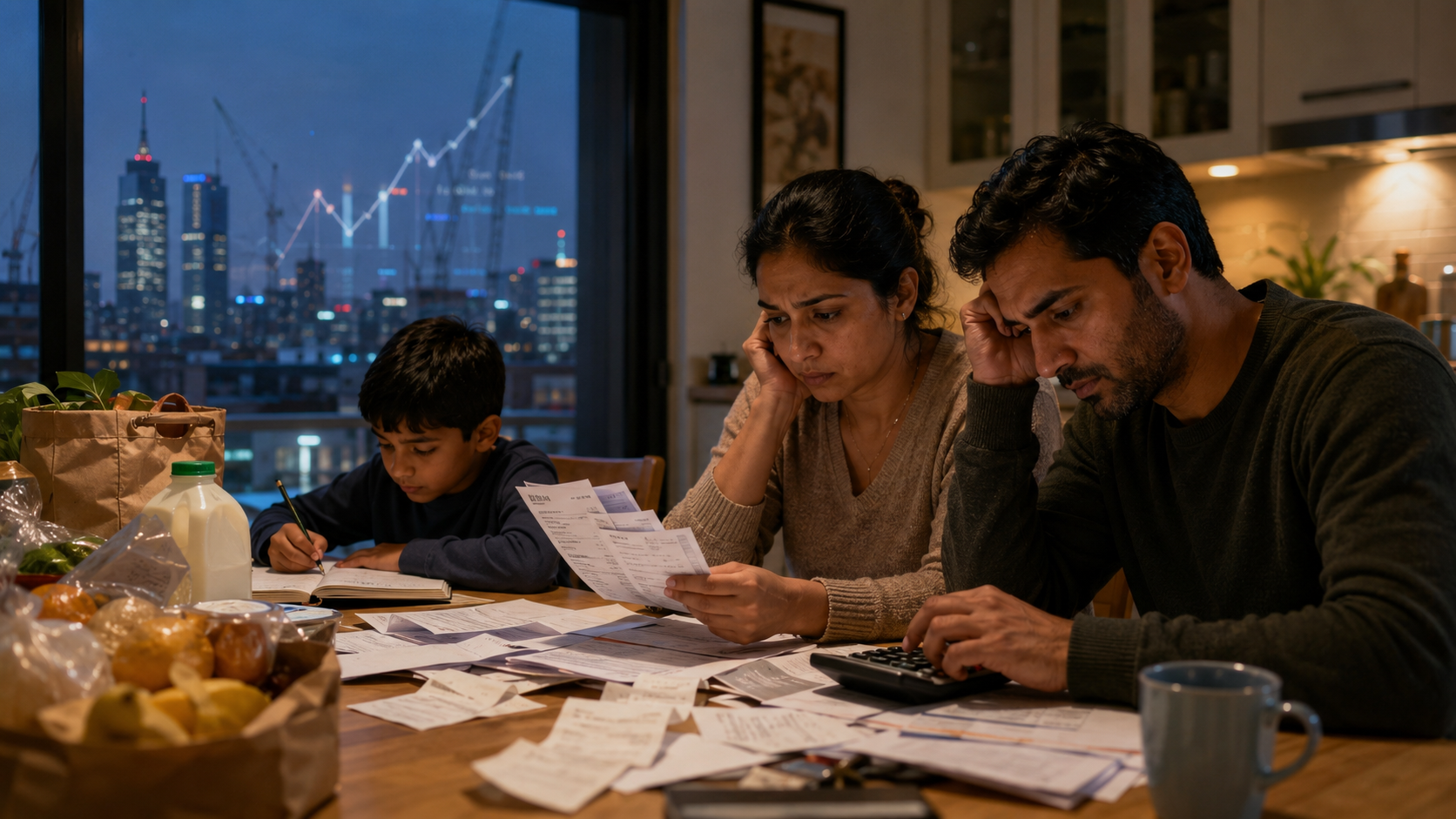
Poverty is perhaps the most widespread cause of educational exclusion in South Asia. Although public education may officially be free, families are frequently expected to pay for uniforms, books, stationery, examinations, transport and private tuition. These expenses can be unaffordable for a household struggling to obtain food, shelter and healthcare.
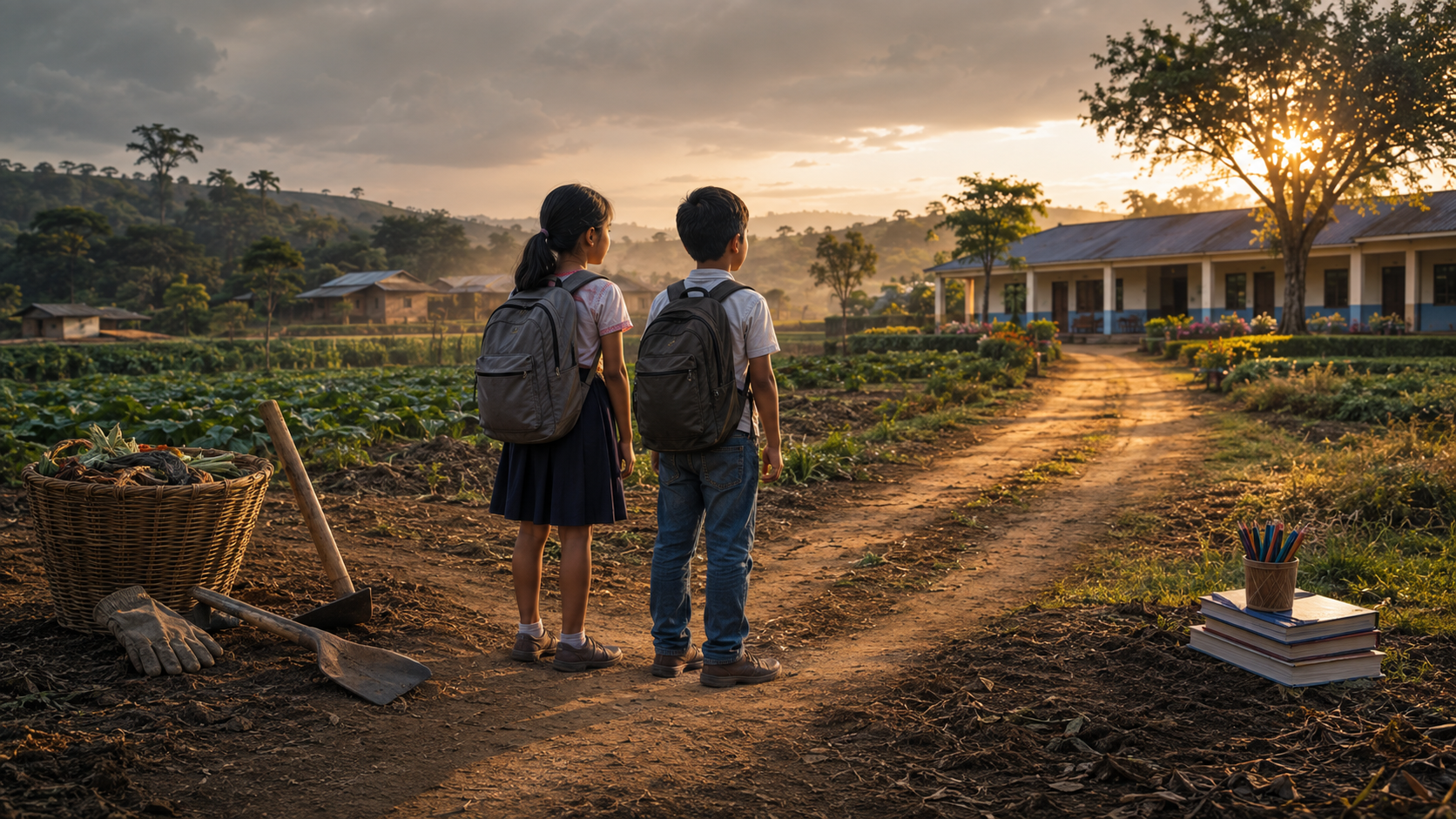
There is also an opportunity cost. A child attending school cannot work full-time, care for younger siblings or contribute as much to household activities. For poor families, the immediate economic contribution of a child may appear more urgent than the uncertain future benefits of education.
Economic shocks make this problem worse. Food-price inflation, unemployment, illness, debt and the death of an earning family member can force children to leave school. Once a child has started earning money, returning to formal education becomes increasingly difficult.
Child Labour and Informal Employment
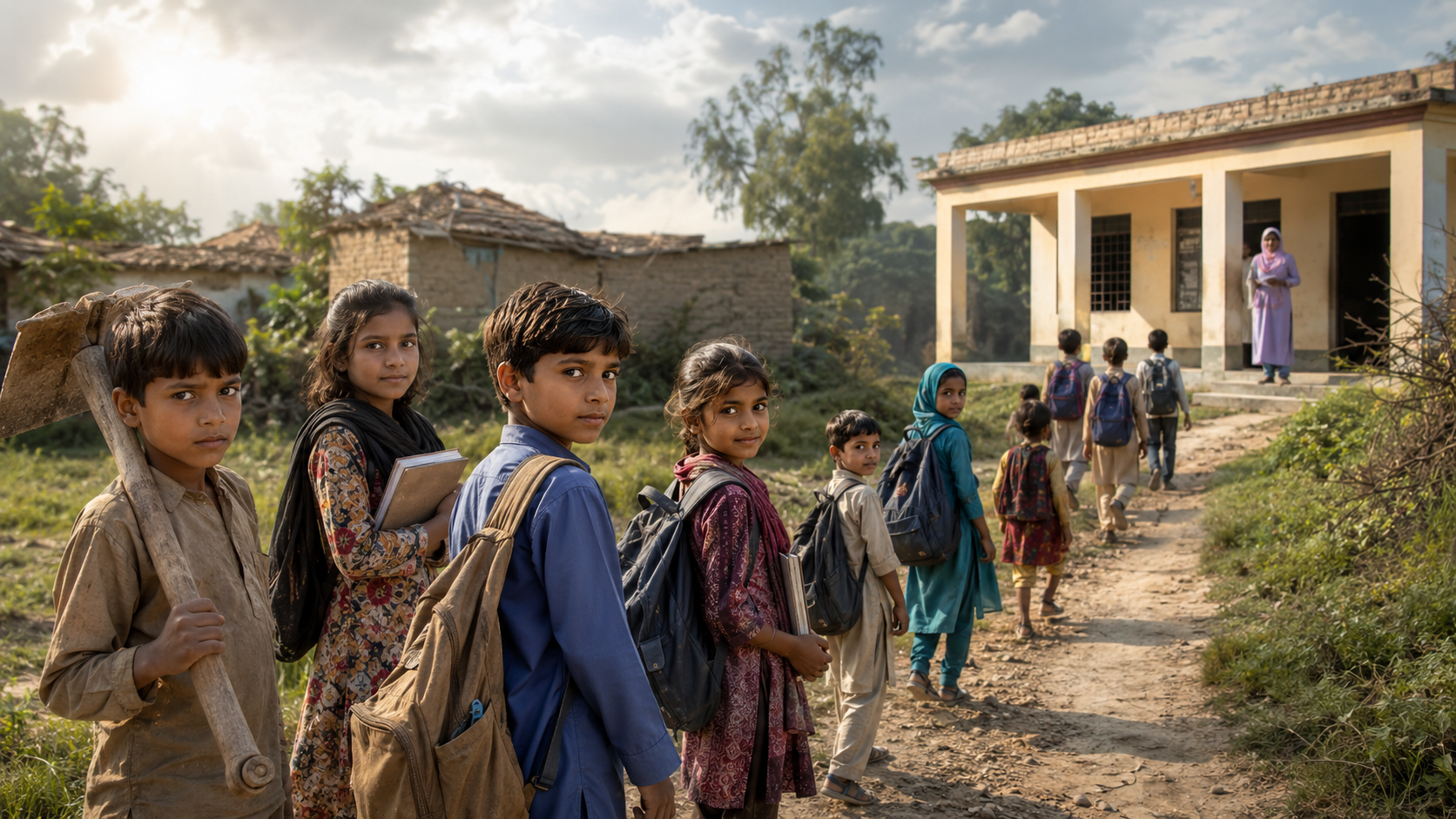
South Asia is home to millions of children engaged in agriculture, domestic service, workshops, brick kilns, mines, street vending and other forms of labour. Some children combine work with school, but long working hours leave them exhausted and unable to study. Others never enrol or eventually drop out.
Child labour is closely connected to poverty, weak enforcement of labour laws and limited access to good schools. It is therefore not enough simply to prohibit children from working. Governments must address the financial pressures that make families dependent on children’s earnings.
Social-protection programmes, school meals and targeted cash transfers can help families keep children in school. Labour inspections must also reach informal workplaces, supply chains and domestic employment, where exploitation is often hidden.
Gender Discrimination and Early Marriage
Gender inequality remains a powerful barrier, particularly for adolescent girls. Families may prioritise sons’ education when resources are limited. Some parents fear for their daughters’ safety while travelling long distances to school, especially where public transport is unavailable.
The absence of female teachers, boundary walls and separate toilets can also discourage girls’ attendance. Menstruation-related stigma and the lack of sanitary facilities may cause girls to miss classes regularly. As they fall behind, the risk of dropping out increases.
Early and forced marriage is another major factor. Once a girl is married, she is commonly expected to manage domestic responsibilities and childcare rather than continue her education. Preventing child marriage, therefore, must be treated as an essential part of education policy.
The exclusion of Afghan girls from secondary and higher education demonstrates the most severe form of this discrimination. No regional strategy can succeed without recognising education as an equal and non-negotiable right for girls.
Poor Educational Quality
Enrolment alone does not guarantee meaningful education. Children are more likely to leave school when classrooms are overcrowded, teachers are frequently absent, instruction is delivered in an unfamiliar language, or lessons depend on memorisation rather than understanding.
The World Bank defines “learning poverty” as the inability to read and understand a simple text by the age of ten. Its 2022 assessment estimated that learning poverty in South Asia may have risen from 60 per cent before the pandemic to 78 per cent after pandemic-related disruption.
When children spend years in school without learning to read, calculate or solve basic problems, parents may decide that education is not worth its cost. Poor quality is therefore both an educational failure and a major cause of dropout.
Shortage of Schools, Teachers and Facilities
In many rural and mountainous areas, the nearest school may be several kilometres away. Younger children, girls and children with disabilities are particularly affected by distance and unsafe travel.
Existing schools may lack classrooms, electricity, drinking water, toilets, ramps, teaching materials and trained staff. The shortage of female teachers is especially damaging in conservative communities where parents may hesitate to send adolescent girls to schools staffed only by men.
Teacher distribution is another problem. Urban schools may have adequate staff, while remote schools struggle to fill vacancies. Improving rural incentives, teacher accommodation, professional development and local recruitment could help correct this imbalance.
Conflict, Displacement and Political Instability
Conflict and displacement interrupt education throughout parts of Afghanistan, Pakistan and other vulnerable areas. Schools may be destroyed, occupied, closed for security reasons or used as emergency shelters. Refugee and internally displaced children often lack documents required for admission or struggle with unfamiliar curricula and languages.
Children displaced across borders face additional legal and administrative obstacles. Girls and children with disabilities are usually at the greatest risk of permanent exclusion during humanitarian emergencies.
Education must consequently be included from the beginning of every emergency response. Temporary learning spaces, accelerated courses, flexible admission rules and psychosocial support can prevent a temporary interruption from becoming a lifelong loss.
Climate Change Is Becoming an Educational Emergency
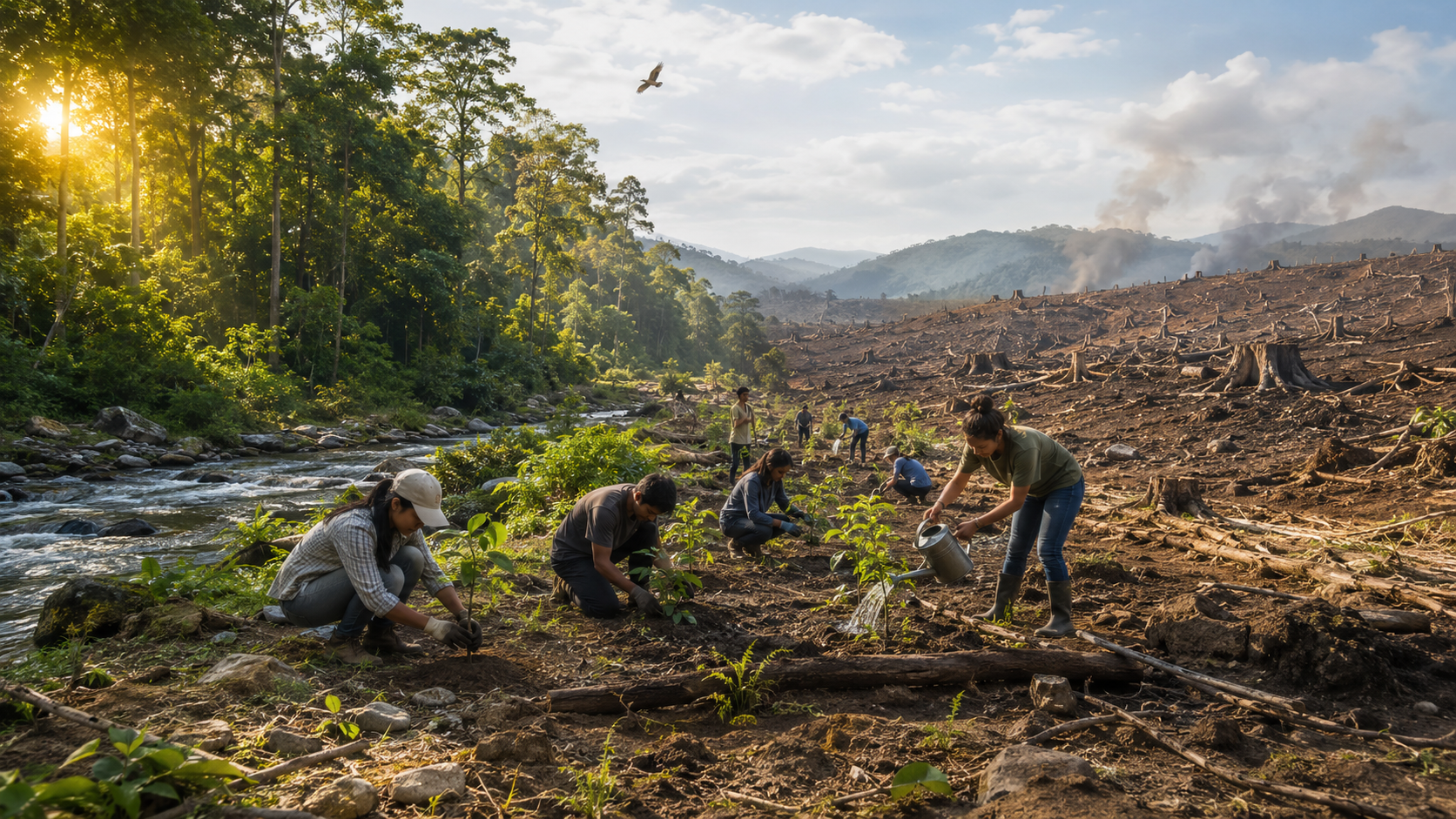
Floods, cyclones, heatwaves, landslides, droughts and air pollution are increasingly disrupting education in South Asia. UNICEF identified South Asia as the region most affected by climate-related school disruption in 2024, with approximately 128 million students affected.
In Bangladesh, climate emergencies disrupted the education of 35 million children during 2024, with some losing as many as eight weeks of learning. In Pakistan’s Sindh province, floods affected 230,000 students in September 2024; more than 1,300 schools were damaged and hundreds became temporarily unusable.
Repeated closure is particularly dangerous for poor children because some never return. Climate-resilient school buildings, emergency education budgets, alternative learning centres and locally suitable academic calendars are now necessities rather than optional measures.
Disability, Language and Social Exclusion
Children with disabilities are often invisible in official education statistics. Schools may lack ramps, accessible toilets, assistive technology and teachers trained in inclusive education. Parents may also face discrimination or be incorrectly told that their child cannot learn in a mainstream classroom.
Language creates another barrier. Children from indigenous and minority communities may begin school in a language they do not speak at home. This produces confusion, weak performance and early dropout. Mother-tongue instruction during the early grades, followed by a gradual transition to national or international languages, can improve both learning and retention.
Caste, ethnicity, migration status and geographic isolation can reinforce these disadvantages. Governments must therefore collect detailed data without using it to stigmatise communities.
The Lasting Impact of COVID-19
South Asia experienced some of the world’s longest school closures during the COVID-19 pandemic. According to the World Bank, children in the region lost an average of 273 days of in-person schooling.
Remote learning helped some urban and wealthier students, but millions of poor families lacked computers, smartphones, reliable electricity or affordable internet access. Girls often had less access to household devices than boys. Many children entered employment or marriage during the closures and did not return when schools reopened.
The lesson is clear: digital education can support schooling, but it cannot replace adequately funded and accessible schools. Future emergency systems must use a mixture of online platforms, television, radio, printed materials and community-based teaching.
Solutions: Bringing Every Child Into Education
The first priority should be to identify every excluded child. Governments need accurate, regularly updated records that connect school data with household surveys, civil registration and local government information. Community workers should visit families when children fail to enrol or stop attending.
Public education budgets must increase and spending must focus on underserved districts. Governments should build schools closer to remote communities, recruit more female teachers and provide safe transport where distance cannot be reduced.
Targeted financial support is equally important. Conditional cash transfers, scholarships, free uniforms, textbooks and nutritious school meals can reduce the economic pressure behind dropout. Benefits should be large enough to compensate families for the real cost of attendance.
Schools must also become safer and more inclusive. Separate toilets, clean drinking water, protection from harassment, disability access and trained counsellors can significantly improve attendance. Laws against child marriage, child labour and gender discrimination must be enforced alongside financial and social assistance.
Flexible and Second-Chance Education
Millions of out-of-school adolescents cannot simply be placed in classes with much younger children. They need accelerated learning programmes that allow them to recover missed grades and re-enter formal education.
Flexible schedules can help working children, seasonal migrants and young mothers. Community schools and mobile classrooms may be appropriate in remote or displaced communities. Vocational education should combine practical employment skills with literacy, numeracy and opportunities to progress into further education.
However, alternative programmes must not become inferior systems for poor children. They should follow recognised standards, employ trained educators and provide qualifications that are accepted by schools and employers.
Improving Learning, Not Just Enrolment
Governments should measure success not only by how many children enter school but also by what they learn and how many complete each level. Foundational literacy and numeracy must receive urgent attention in the early grades.
Teachers need practical training, regular academic support and suitable classroom materials. Children who fall behind should receive remedial instruction before frustration leads them to drop out. Teaching in a familiar language during the first years can make education more understandable and welcoming.
Early-warning systems can also identify students at risk by tracking absence, declining performance, grade repetition and changes in family circumstances. Timely intervention is far less expensive than trying to bring a child back years later.
A Regional Responsibility
South Asia’s out-of-school crisis is not simply an education-sector problem. It is connected to poverty, gender relations, employment, public health, climate policy and social protection. Education ministries cannot solve it alone.
Governments, communities, religious leaders, teachers, employers, civil-society organisations and international agencies must work together. Regional cooperation can improve data, protect displaced learners, share successful programmes and establish standards for education during emergencies.
Educating every child is also an economic investment. A better-educated population is healthier, more productive, more adaptable to technology and better prepared to respond to climate and economic shocks.
Conclusion
The millions of out-of-school children in South Asia are not a single, uniform group. Some have never entered a classroom. Others enrolled but left because of poverty, work, marriage, poor teaching, disability, conflict or climate disaster. Effective policy must respond to these different circumstances.
South Asia already possesses the knowledge required to make substantial progress: adequately funded public schools, trained teachers, cash assistance, school meals, safe transport, climate-resilient buildings, inclusive classrooms and flexible second-chance programmes. What remains necessary is sustained financing, political commitment and reliable implementation.
If the region fails to act, educational exclusion will reproduce poverty and inequality across another generation. If it succeeds, bringing every child into meaningful learning could become one of the most powerful drivers of South Asia’s social and economic transformation.
References
- UNESCO — The Asia-Pacific’s Education Crisis
- UNESCO — Global Out-of-School Rate Data
- UNESCO — 2026 Global Education Monitoring Report: South Asia
- UNICEF Pakistan — Education
- UNICEF India — Education
- UNICEF Bangladesh — Education
- UNICEF and UNESCO — Protecting Education in Afghanistan
- UNICEF — Afghan Girls Deprived of Secondary Education
- World Bank — What Is Learning Poverty?
- World Bank — The State of Global Learning Poverty: 2022 Update
- UNICEF — Climate-Related School Disruption in Bangladesh
- UNICEF — Education Disruption in Flood-Affected Sindh
- UNICEF Innocenti — Ending Child Labour Through Quality Education
- UNICEF Innocenti — Education Programmes for Out-of-School Adolescents in Bangladesh