Across Latin America, millions of children begin their working day long before they are physically or emotionally prepared for employment. Some harvest coffee, sugarcane, bananas and cocoa under an unforgiving sun. Others work in mines, construction sites, workshops, restaurants, markets or private homes. Children living or travelling on the streets may sell small goods, clean car windows, collect recyclable materials or become vulnerable to trafficking and criminal exploitation.
Latin America and the Caribbean have made meaningful progress against child labour during the past two decades. Nevertheless, the latest estimates show that the region remains far from eliminating it. Child labour survives at the intersection of poverty, inequality, inadequate education, rural isolation, migration, discrimination, weak labour inspection and the enormous informal economy.
It is therefore not simply a problem of children working. It is a question of whether children are being denied education, health, safety, dignity and the opportunity to build a better future.
What Is Child Labour?
Not every task performed by a child constitutes child labour. Helping parents with safe, age-appropriate household duties for limited hours can teach responsibility and practical skills. Older adolescents may also legally perform light work if it does not endanger them or interfere with their education.
The International Labour Organization defines child labour as work that children are too young to perform or work which, because of its nature or conditions, harms their health, safety, morals or development. It also includes work that prevents children from attending school, forces them to leave school prematurely or requires them to combine education with excessively long and demanding working hours.
Hazardous child labour includes exposure to dangerous machinery, pesticides, explosives, toxic chemicals, extreme heat, heavy loads, underground work, long hours, night work, violence or sexual abuse.
The worst forms of child labour go further. Under ILO Convention No. 182, they include slavery and slavery-like practices, trafficking, debt bondage, forced recruitment for armed conflict, commercial sexual exploitation, pornography and the use of children in illicit activities such as drug production or trafficking.
The Scale of the Problem
According to the ILO and UNICEF’s 2024 global estimates, released in 2025, approximately 7.3 million children and adolescents in Latin America and the Caribbean were engaged in child labour. This represented about 5.5 percent of the region’s children. An alarming 4.7 million were performing hazardous work capable of damaging their health, safety or moral development.
The figures nevertheless show progress. Between 2020 and 2024, the region recorded an approximately 11 percent decline in the number of children in child labour and an 8 percent relative reduction in its prevalence. Latin America and the Caribbean are in a better position than some other world regions, but the numbers remain unacceptably high.
Regional averages also conceal major differences among countries, provinces and social groups. Child labour is generally more prevalent in poor rural and remote communities than in wealthier urban areas. Indigenous, Afro-descendant, migrant and displaced children frequently experience greater exposure because of discrimination, geographical isolation and limited access to public services.
Reliable measurement is itself a challenge. Work undertaken inside family farms, informal businesses and private homes is easily overlooked. Illegal activities, trafficking and sexual exploitation are deliberately concealed. The actual number of affected children may consequently be higher than survey estimates suggest.
Agriculture Remains the Main Battleground
Agriculture has historically accounted for the largest share of child labour in Latin America. Children participate in the cultivation or harvesting of coffee, cocoa, sugarcane, bananas, tobacco and other crops. They also tend livestock, fish, cut wood and work on family farms.
Agricultural child labour is particularly difficult to regulate because farms may be small, remote and family-operated. Parents sometimes consider children’s participation a normal part of rural life. However, the distinction between safe assistance and exploitative labour disappears when children work long hours, miss school, carry heavy loads, handle sharp tools or come into contact with pesticides.
Climate change is increasing the pressure on rural households. Droughts, floods, storms, crop failures and changing rainfall patterns can destroy family incomes. When adults lose employment or agricultural productivity falls, families may depend more heavily on children’s work. Climate-related migration can also remove children from schools and established protection systems.
Work in Mines, Streets and Informal Businesses
Mining is among the most dangerous sectors for children. In parts of the Andean region and the Amazon basin, children may be found in small-scale gold, tin and other mineral operations. They can be exposed to tunnel collapses, dust, explosives, mercury and other toxic substances.
Urban child labour takes different forms. Children work in markets, workshops, restaurants, transport services, brickmaking, construction, rubbish collection and recycling. Many sell food, flowers or small products in traffic or tourist areas.
Because these activities operate within the informal economy, employers are often unregistered and working relationships undocumented. Labour inspectors may be unable to enter homes, find temporary workplaces or establish that an employment relationship exists. Children can therefore remain invisible even when they are working in public view.
The Hidden Labour of Girls
Statistics often show more boys than girls in conventional economic activities, but this does not mean girls carry a lighter burden. Girls are more likely to perform unpaid domestic and care work that standard employment surveys may fail to recognise.
They may cook, clean, collect water and firewood, care for younger siblings, nurse sick relatives or work as domestic servants in other households. Excessive domestic responsibilities can be as damaging to schooling and development as paid employment.
A 2025 UNICEF study examining unpaid domestic and care work in selected Latin American and Caribbean countries found that girls were twice as likely as boys to perform such work at child-labour-level intensity—2.7 percent compared with 1.3 percent. Adolescent girls spent, on average, at least seven more hours per week than boys on unpaid domestic and care work.
Domestic workers are especially vulnerable because they work behind closed doors. They may experience long hours, isolation, withheld wages, physical violence and sexual harassment with little opportunity to seek help.
Poverty, Inequality and Informal Employment
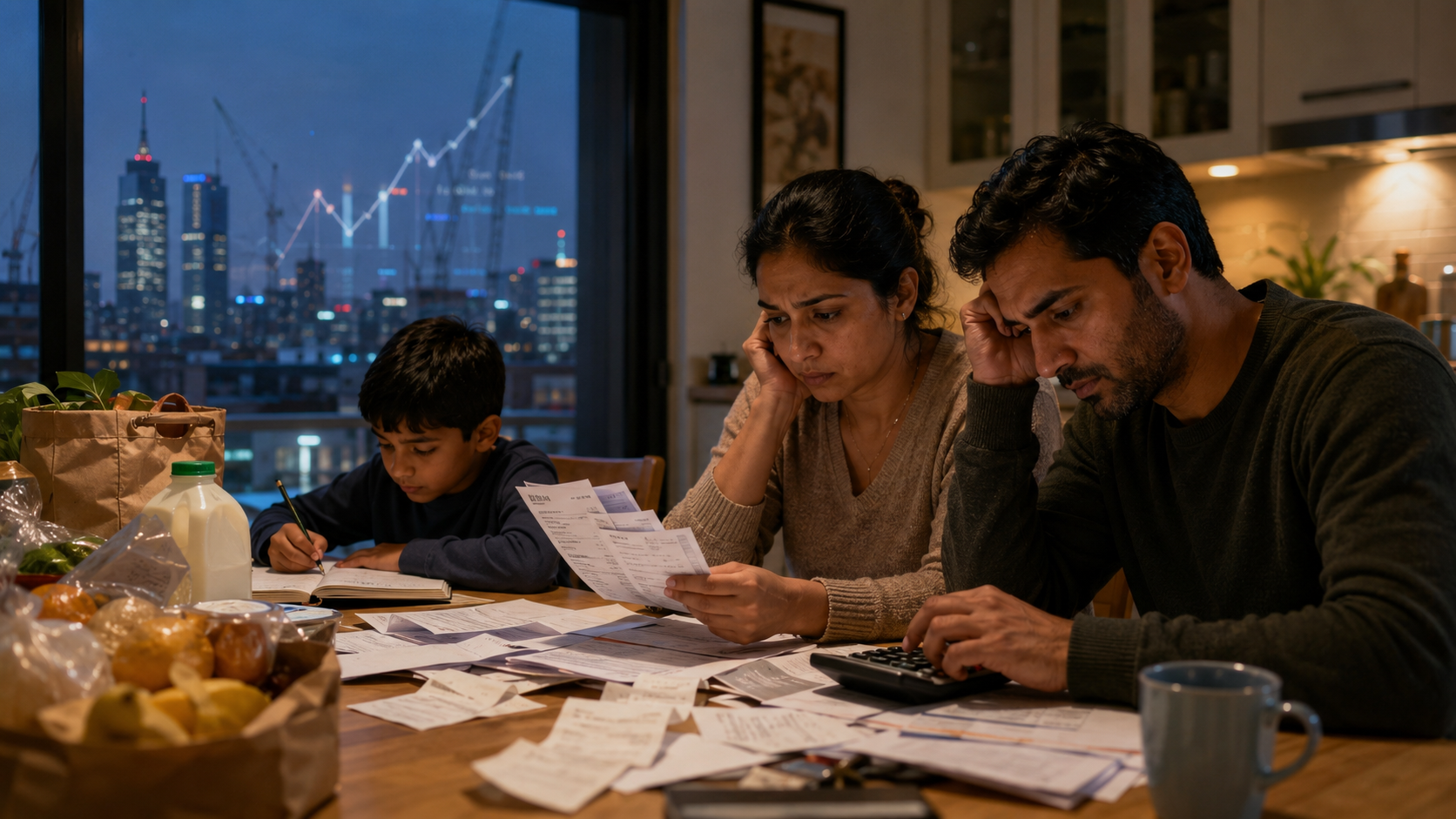
Poverty is the most immediate driver of child labour, but it is not the only one. A family experiencing unemployment, illness, a failed harvest or an unexpected increase in food prices may depend on every available source of income. Even when a child earns very little, that contribution can determine whether the household eats or pays rent.
Latin America is also marked by deep economic inequality. Wealth and quality services are concentrated geographically and socially. Rural families and Indigenous and Afro-descendant communities may lack accessible schools, healthcare, safe transport, electricity, internet connectivity and formal employment.
The prevalence of informal adult employment creates another connection. Parents without contracts, stable wages, social insurance or paid leave are more vulnerable to economic shocks. The absence of unemployment protection and affordable childcare can compel families to involve children in income-generating or caregiving work.
Child labour is therefore partly a symptom of failures in the adult labour market. When adults receive adequate wages and social protection, children are much less likely to be sent to work.
Education: Both a Cause and a Casualty
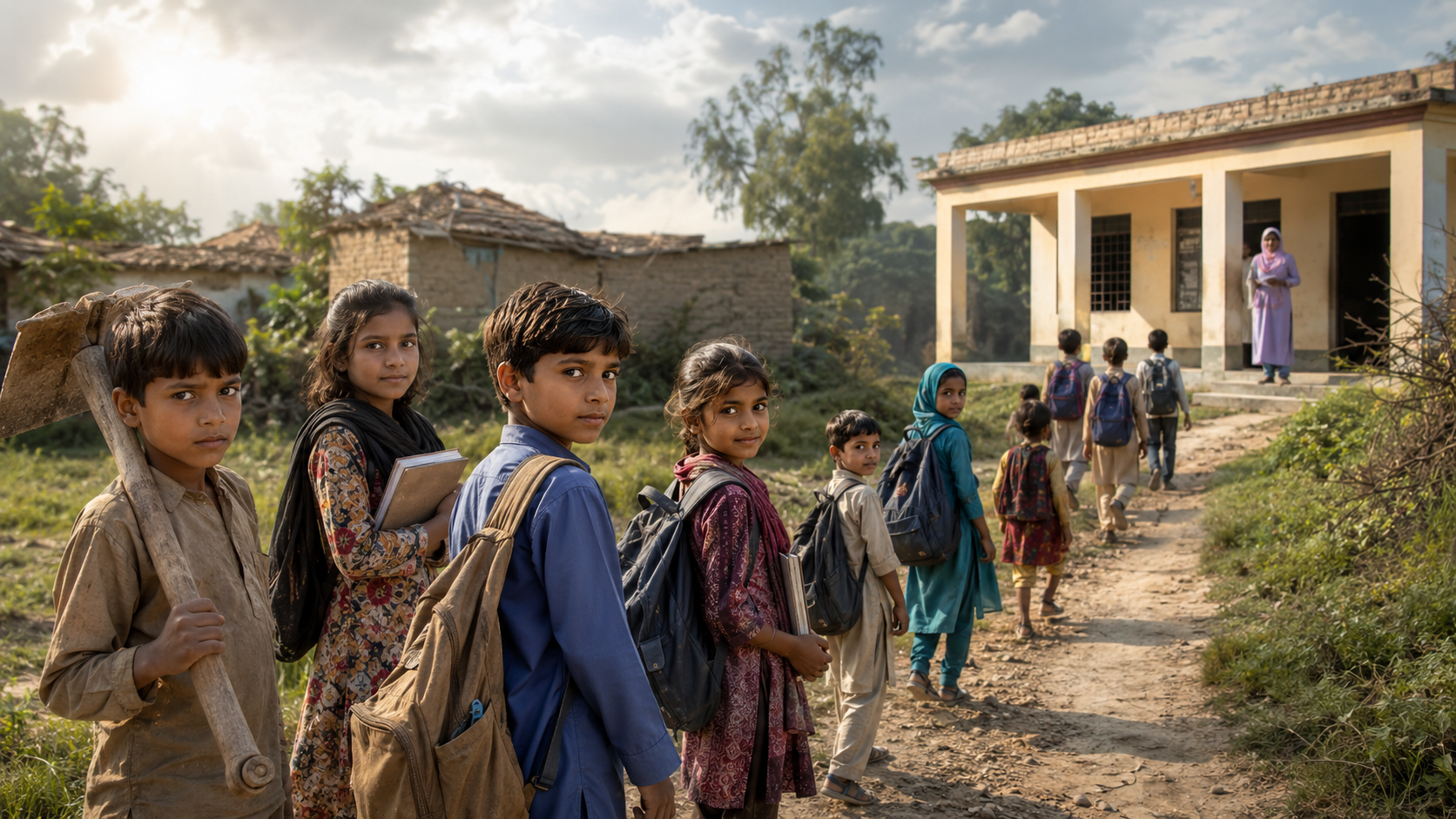
The relationship between child labour and education works in both directions. Poor-quality, distant or unaffordable schools can push children towards work, while employment causes absenteeism, exhaustion and school dropout.
Although public education may officially be free, families still face costs for transport, uniforms, books, meals and digital equipment. In remote communities, secondary schools may be several hours away. Instruction may not be available in the first language of Indigenous children, while discrimination or school violence can make attendance deeply unpleasant.
Some working children remain enrolled but learn very little because they arrive late, miss classes or are too tired to concentrate. Eventually, many leave education without completing secondary school. That reduces their lifetime earning potential and confines them to insecure, poorly paid employment—the same conditions that may later push their own children into work.
The pandemic intensified this risk. Latin America and the Caribbean experienced some of the world’s longest school closures, exposing millions of children to learning loss and weakening their connection with education. Although schools reopened, the social and educational consequences have not disappeared.
Migration, Trafficking and Criminal Exploitation
Children on the move face distinctive dangers. UNICEF reports that approximately one in four migrants in Latin America and the Caribbean is a child. Migrant and refugee families may lack legal status, documents, stable housing and access to schools or social protection.
Unaccompanied children are particularly vulnerable to traffickers, smugglers and employers who promise legitimate jobs but impose exploitative conditions. Documented risks include forced labour in agriculture, mining, domestic service and other natural-resource industries, as well as commercial sexual exploitation.
Organised criminal groups may also recruit children as messengers, lookouts, drug couriers or armed participants. In Colombia, UNICEF reported in February 2026 that UN-verified recruitment and use of children by armed groups had increased by 300 percent over five years. The figures covering 2024 indicated that, on average, one child was recruited or used every 20 hours.
Such exploitation is more than ordinary child labour: it belongs among its worst forms and requires urgent protection, criminal investigation, rehabilitation and safe reintegration.
Damage to Health and Development
The consequences of child labour can last throughout life. Physical risks include injuries, respiratory diseases, pesticide poisoning, musculoskeletal damage, impaired growth, hearing loss and chronic pain. Children working in mines, agriculture and construction face dangers designed workplace protections may not adequately address even for adults.
The psychological consequences include anxiety, depression, fear, humiliation and trauma. Children exposed to violence, trafficking, sexual exploitation or armed groups may require years of specialised support.
Long working hours also deprive children of sleep, recreation and social interaction. Play is not a luxury: it is essential to emotional, cognitive and social development. A childhood dominated by adult responsibilities leaves little room for children to discover their interests or develop confidence.
The economic cost extends to society. A generation with limited education, poor health and few professional skills reduces productivity, tax revenues and social mobility. Child labour may offer a household short-term survival, but it imposes substantial long-term costs on families, communities and national economies.
Laws Exist, but Enforcement Remains Uneven
Every country in Latin America and the Caribbean has ratified the ILO’s fundamental conventions on minimum working age and the worst forms of child labour. Most national laws prohibit hazardous work by anyone under 18 and establish minimum ages for ordinary employment.
The central problem is frequently enforcement. Labour inspectorates may have insufficient staff, transport, funding and authority. Inspections tend to concentrate on formal urban businesses, while child labour occurs mainly on farms, in informal enterprises, in streets and inside private homes.
Removing a child from work without helping the family can also fail. If the household loses essential income, the child may return to the same job or enter a more hidden and dangerous activity. Law enforcement must therefore be combined with income support, education, healthcare and family services.
Businesses carry responsibilities as well. Companies can be linked to child labour through suppliers, contractors and informal intermediaries even when their own facilities employ no children. Effective supply-chain due diligence must trace products back to farms, mines and workshops rather than stopping with first-tier suppliers.
The Way Out: A Comprehensive Regional Strategy
Eliminating child labour requires more than raids, fines or public awareness campaigns. Latin American governments need an integrated strategy built around the following priorities.
First, reduce household poverty. Governments should expand child benefits, conditional and unconditional cash transfers, food assistance, health insurance and emergency income support. Assistance must reach rural, Indigenous, Afro-descendant, migrant and undocumented families without burdensome registration procedures.
Second, create decent work for adults. Living wages, formal employment, social insurance, maternity protection, childcare services and enforcement of adult labour rights reduce families’ dependence on children’s earnings.
Third, make education genuinely accessible. Free schooling must include transport, meals, learning materials, uniforms and digital access. Rural secondary schools, flexible catch-up programmes and bilingual intercultural education are particularly important. Former child workers should be helped to return to age-appropriate learning without stigma.
Fourth, strengthen labour inspection. Governments need specialised child-labour units, reliable data systems and coordination among inspectors, schools, police, health services and child-protection agencies. Inspection models must cover informal work, agriculture, domestic service and remote areas.
Fifth, hold businesses accountable. Companies should map their complete supply chains, publish risk assessments, provide confidential complaint mechanisms and remedy violations. Public procurement rules should exclude suppliers that fail to protect children.
Sixth, recognise unpaid care work. Affordable childcare, disability services, school meals and eldercare can prevent girls from being forced to replace missing public services. Surveys should measure excessive domestic and caregiving responsibilities so that affected girls do not remain statistically invisible.
Seventh, protect migrant and conflict-affected children. Children should receive schooling, healthcare and protection regardless of migration status. Border authorities need trained child-protection personnel, while victims of trafficking or armed recruitment require safe shelter, psychosocial care, legal assistance and long-term reintegration.
Finally, listen to children and communities. Policies designed without affected families can misunderstand local realities. Children, teachers, trade unions, employers, Indigenous organisations, farmers and community leaders should participate in identifying risks and designing practical alternatives.
Conclusion
Latin America has proved that progress against child labour is possible. The decline recorded between 2020 and 2024 demonstrates that public policy, education, social protection and regional cooperation can produce results. Yet 7.3 million working children—and 4.7 million in hazardous conditions—represent a profound unfinished challenge.
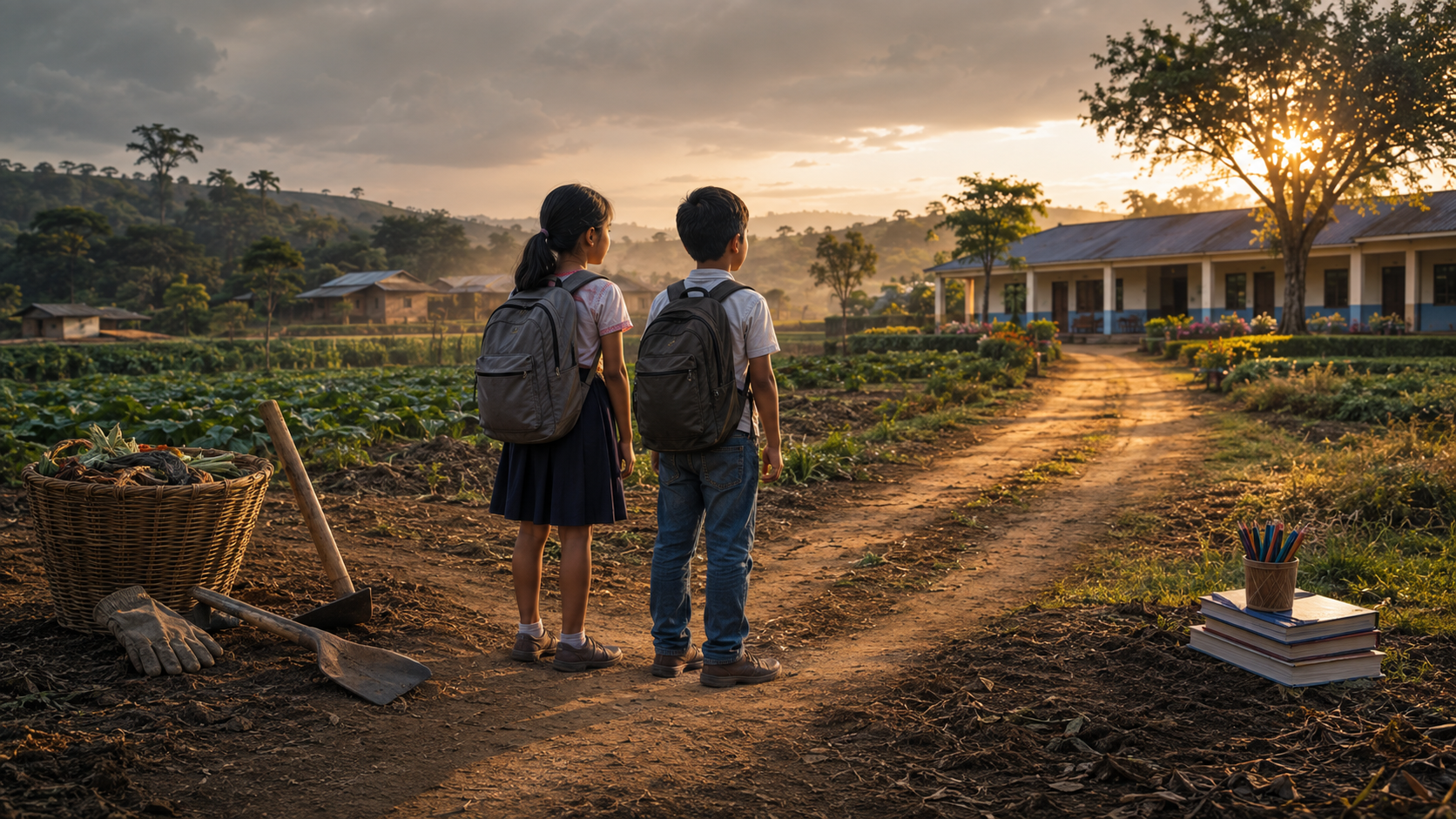
Child labour cannot be abolished simply by ordering poor families to stop it. A sustainable solution must remove the conditions that make children’s work appear necessary: poverty, insecure adult employment, inaccessible education, discrimination, forced migration and weak public protection.
The real test of development is not merely whether economies grow, exports rise or cities modernise. It is whether children are in classrooms and safe homes instead of dangerous fields, mines, streets and workshops. Ending child labour is therefore not only a legal obligation. It is an investment in a healthier, more educated and more equal Latin America.
References
- International Labour Organization and UNICEF, Child Labour: Global Estimates 2024, Trends and the Road Forward, 2025.
- International Labour Organization, 2024 Global Estimates of Child Labour in Figures, 2025.
- International Labour Organization, Regional Initiative: Latin America and the Caribbean Free of Child Labour.
- International Labour Organization, Convention No. 138 on the Minimum Age for Admission to Employment.
- International Labour Organization, Convention No. 182 on the Worst Forms of Child Labour.
- UNICEF Latin America and the Caribbean, Adolescent Girls: Unpaid Domestic and Care Work in Latin America and the Caribbean, 2025.
- UNICEF, Child Recruitment and Use by Armed Groups in Colombia Quadruples Over Five Years, 2026.
- UNICEF, Children Affected by Internal Migration and Displacement in Latin America and the Caribbean, 2023.
- UNICEF, Children on the Move in Latin America and the Caribbean, 2023.
- Economic Commission for Latin America and the Caribbean, Early Childhood in Post-Pandemic Latin America and the Caribbean, 2023.
- ECLAC, Preventing and Reducing School Dropout in Latin America and the Caribbean, 2022.
- UNICEF and ILO, Pandemic Is Pushing Latin America and the Caribbean Further Off Track in Ending Child Labour, 2021.