Poverty remains one of the most serious challenges facing developing and least-developed countries. Millions of people still struggle to secure adequate food, housing, education, healthcare and employment. Weak infrastructure, limited access to finance, political instability, climate change and unequal distribution of resources often reinforce the cycle of poverty.
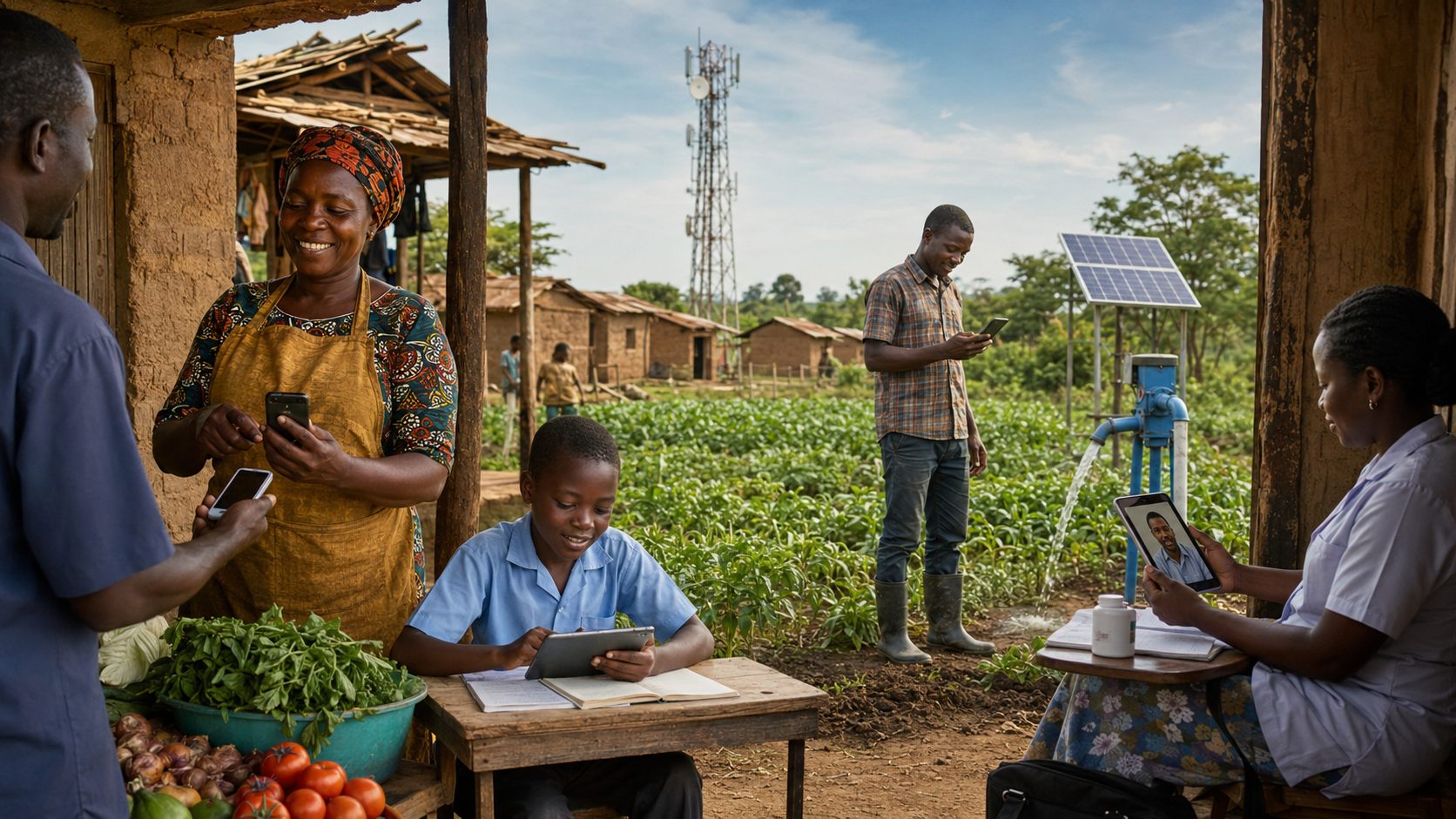
Technology cannot eliminate poverty on its own, but it can provide governments, communities and individuals with powerful tools to address its underlying causes. Affordable internet connectivity, mobile banking, digital education, modern agricultural equipment, telemedicine, renewable energy and e-government platforms can improve productivity, expand economic opportunities and bring essential services to previously neglected communities.
The most important question is therefore not whether technology can reduce poverty, but whether governments can make it affordable, inclusive and accessible to the people who need it most.
Expanding Access to Employment and Income
One of technology’s most important contributions to poverty reduction is its ability to create new forms of employment. In the past, workers in developing countries were generally restricted to jobs available in their immediate communities. Today, internet connectivity allows people to work for companies and clients located anywhere in the world.
Freelancing platforms, remote employment, online marketplaces and digital service businesses have created opportunities for graphic designers, programmers, writers, virtual assistants, translators, teachers and marketing specialists. A young person in Pakistan, Bangladesh, Kenya or Nigeria can potentially offer services to clients in Europe, North America or the Middle East without permanently leaving home.
Technology also helps small businesses reach larger markets. A craft worker, tailor, farmer or home-based food producer can advertise products through digital platforms, receive electronic payments and communicate directly with customers. This lowers some of the traditional barriers to starting a business, such as the cost of renting a shop or maintaining a large physical sales network.
The United Nations Development Programme observes that digital infrastructure and platforms can stimulate economic activity, improve business productivity and create employment, particularly for micro, small and medium-sized enterprises. These businesses are especially important because they provide a large share of employment in developing economies. UNDP
Promoting Financial Inclusion
A large number of poor people remain outside the formal banking system. They may live far from bank branches, lack the documents required to open an account or earn too little to meet conventional banking conditions. Without access to secure savings, credit, insurance and payment services, families find it difficult to invest in education, healthcare, farming or small businesses.
Mobile banking and digital wallets can overcome many of these barriers. People can use an affordable mobile phone to receive wages, send money, pay bills, save small amounts and access certain forms of credit. Digital finance also reduces the risks associated with carrying cash and makes it easier for governments and aid agencies to transfer assistance directly to eligible families.
The World Bank’s Global Findex research shows that financial inclusion can improve saving, resilience to economic shocks and economic empowerment. Its latest framework also examines the relationship between mobile connectivity and people’s ability to use financial services and pursue economic opportunities. World Bank Global Findex
However, digital finance must be carefully regulated. Poor consumers can be exposed to fraud, hidden charges, irresponsible lending and theft of personal information. Financial literacy, consumer protection, reliable identification systems and cybersecurity are therefore essential.
Transforming Agriculture and Rural Livelihoods
Agriculture is the main source of income for millions of low-income families. Yet small farmers frequently face unpredictable weather, poor-quality seeds, limited irrigation, crop diseases, high transport costs and unfair market prices.
Technology can improve almost every stage of agricultural production. Farmers can receive weather forecasts, pest warnings and planting advice through mobile phones. Satellite data, sensors and drones can monitor crop health and identify areas requiring water or fertilizer. Solar-powered irrigation systems can reduce dependence on expensive fuel, while improved machinery can save time and increase production.
Digital marketplaces can also connect farmers directly with buyers. Access to current market prices strengthens their bargaining position and reduces dependence on intermediaries who may purchase crops at unfairly low prices.
The Food and Agriculture Organization explains that digital tools can support improved farming practices, facilitate access to markets and finance, encourage agricultural mechanization and create new opportunities for rural young people. FAO
Technology must nevertheless be adapted to local realities. An expensive smartphone application will have little value to a farmer who lacks electricity, internet coverage or digital literacy. Agricultural services should therefore be available through multiple channels, including basic mobile phones, text messages, community radio and trained local extension workers.
Improving Education and Skills
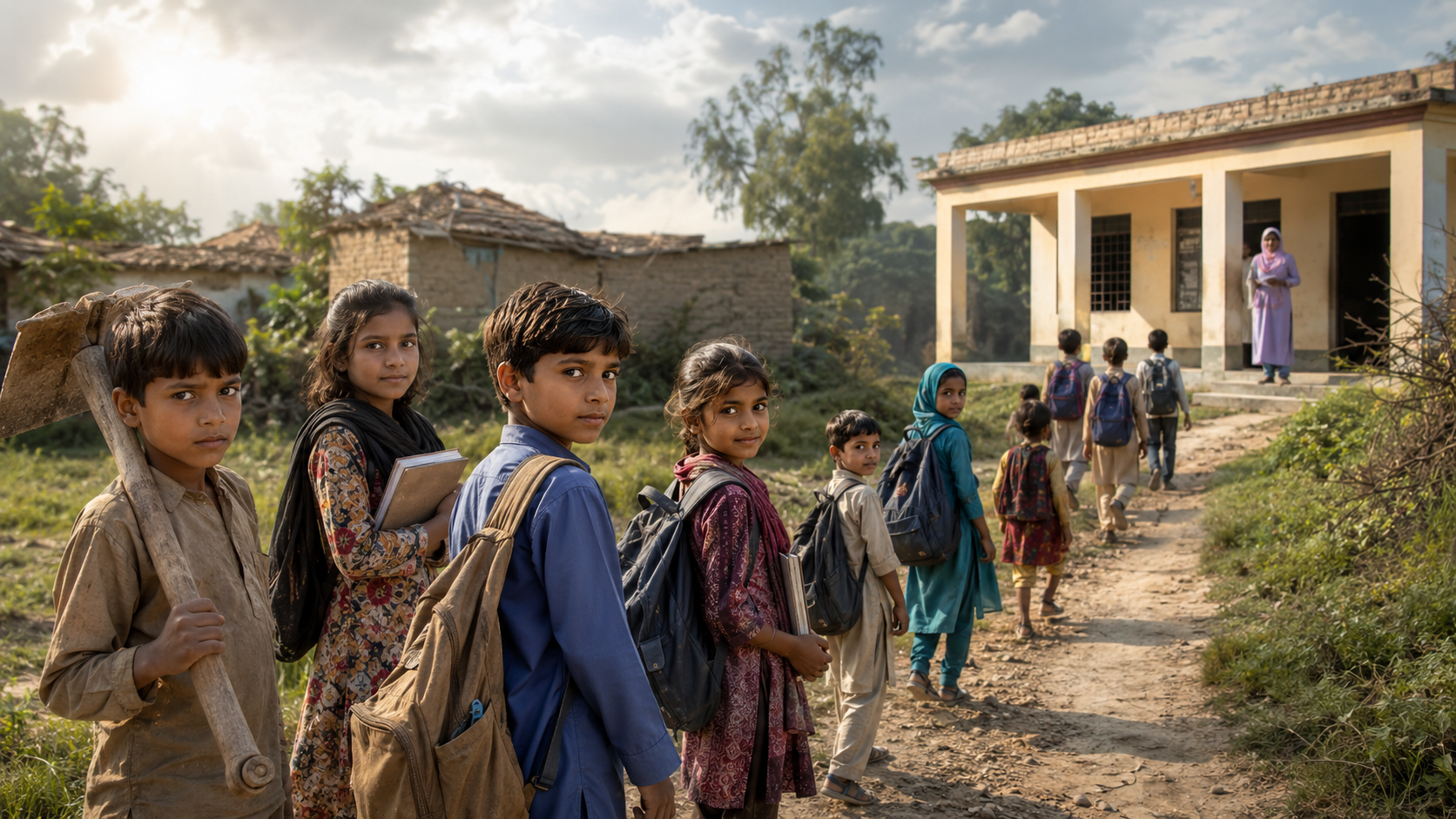
Education is one of the most effective long-term methods of breaking the cycle of poverty. Technology can expand access to learning in areas where schools, qualified teachers and educational materials are limited.
Online courses, recorded lessons, educational applications and digital libraries allow students to access information beyond the resources available in their local schools. Teachers can use digital platforms to receive training, exchange lesson plans and improve classroom methods. Adults can learn practical skills such as bookkeeping, languages, farming techniques and computer programming without enrolling in a conventional institution.
Digital learning can be particularly valuable for children in remote areas, people with disabilities and adults who must work during normal school hours. It can also help women and girls continue their education where distance, safety concerns or social restrictions limit mobility.
Technology, however, can deepen inequality when devices and connectivity are available only to wealthier families. UNESCO reports that although approximately 74 percent of the world’s population was using the internet in 2025, only about 40 percent of primary schools and 50 percent of lower-secondary schools were connected. UNESCO
Governments must consequently treat school connectivity, affordable devices, electricity and teacher training as parts of a single education policy. Simply distributing tablets without appropriate content, maintenance and teacher support will not produce lasting results.
Expanding Access to Healthcare
Poor health can both cause and result from poverty. A serious illness may prevent a person from working, while treatment expenses can force an entire family into debt. Rural communities often face an additional problem: doctors, hospitals and diagnostic facilities may be located many kilometres away.
Telemedicine allows patients to consult healthcare professionals through phones or video links. Community health workers can send medical information to specialists, receive guidance and monitor patients without requiring them to travel repeatedly. Electronic records can improve continuity of care, while mobile reminders can encourage patients to take medicines, attend appointments and vaccinate their children.
Technology also supports disease surveillance. Health authorities can collect and analyse information more quickly, identify outbreaks and direct resources to high-risk communities. Portable diagnostic devices and solar-powered medical equipment can bring basic services to areas without dependable electricity.
These systems must protect patient privacy and should complement, rather than completely replace, trained healthcare professionals. Technology is most effective when it strengthens an accessible public-health system.
Making Government Services More Efficient
Corruption, complicated procedures and weak public administration often prevent assistance from reaching poor families. Digital government systems can make services faster, more transparent and less expensive.
Digital identification can help individuals prove who they are and apply for benefits, open financial accounts or register businesses. Electronic payment systems can transfer pensions, scholarships and emergency relief directly to beneficiaries. Online land and business records can reduce paperwork and opportunities for unofficial payments.
Digital public infrastructure can also help governments identify underserved communities and distribute resources more accurately. UNDP has documented how interoperable identity, payment and data-exchange systems can accelerate progress toward the Sustainable Development Goals. UNDP Digital Public Infrastructure
Nevertheless, digital-only public services can exclude people who lack devices, literacy or official documentation. Governments should maintain accessible physical alternatives and community assistance centres while digital participation expands.
Supporting Affordable and Renewable Energy
Reliable electricity is necessary for education, healthcare, manufacturing, communication and business development. Yet many poor and remote communities remain beyond the reach of national electricity grids.
Solar home systems, mini-grids, improved batteries and energy-efficient appliances can provide electricity without waiting for costly grid extensions. A small solar system may allow a family to light its home, charge a phone or operate a fan. Larger community systems can power schools, health centres, irrigation pumps, refrigeration equipment and small workshops.
Access to energy extends working and study hours, improves food preservation and supports local enterprises. Renewable systems can also reduce household spending on kerosene and diesel while limiting harmful indoor air pollution.
For these benefits to last, communities need affordable financing, trained technicians, access to replacement parts and responsible systems for recycling batteries and electronic waste.
Strengthening Resilience to Disasters and Climate Change
Developing countries are often highly vulnerable to floods, droughts, storms, heatwaves and crop failures. Poor families suffer the most because they tend to live in unsafe locations and possess fewer resources for recovery.
Early-warning systems can send alerts before floods or severe storms arrive. Satellite imagery can identify drought conditions, monitor deforestation and support disaster planning. Mobile payment systems can rapidly deliver emergency cash, allowing families to purchase food, medicine and shelter materials.
Digital records can also help authorities locate vulnerable households and assess damage. When technology is combined with trusted local institutions and clear emergency planning, it can save lives and prevent natural hazards from driving more people into long-term poverty.
The Danger of a Growing Digital Divide
Technology is not automatically inclusive. According to the World Bank, only about 16 percent of people living in extreme poverty—defined in its recent analysis as living on less than $3 a day—have internet access. Computer ownership among this population is extremely limited. World Bank
Women, rural residents, people with disabilities, linguistic minorities and poorly educated communities often face the greatest digital barriers. These include high data prices, unreliable electricity, limited network coverage, lack of local-language content and insufficient digital skills.
Automation and artificial intelligence may create new industries, but they may also replace routine jobs. If developing countries do not invest in education and worker retraining, technological change could concentrate wealth among a small skilled population while reducing opportunities for others.
Cybercrime, misinformation, online exploitation, intrusive surveillance and misuse of personal data present additional dangers. Poverty-reduction strategies must therefore include digital rights, data protection, competition policy and public accountability.
Policies Needed to Turn Technology into a Poverty-Reduction Tool
To ensure that technology benefits poor communities, developing countries should adopt a people-centred approach. Priorities should include:
- Affordable broadband and electricity in rural and low-income communities.
- Basic digital literacy in schools and adult-training programmes.
- Equal access for women, girls and people with disabilities.
- Local-language applications and educational material.
- Support for small businesses and locally developed technology.
- Strong consumer, privacy and cybersecurity protections.
- Investment in technical and vocational education.
- Affordable devices, repair services and community internet centres.
- Public-private partnerships with clear accountability.
- Regular evaluation of whether technology is actually improving incomes and services.
The World Bank emphasizes that developing countries require affordable connectivity, trusted data systems and secure digital platforms if digital transformation is to produce inclusive growth. World Bank Digital and AI
Conclusion
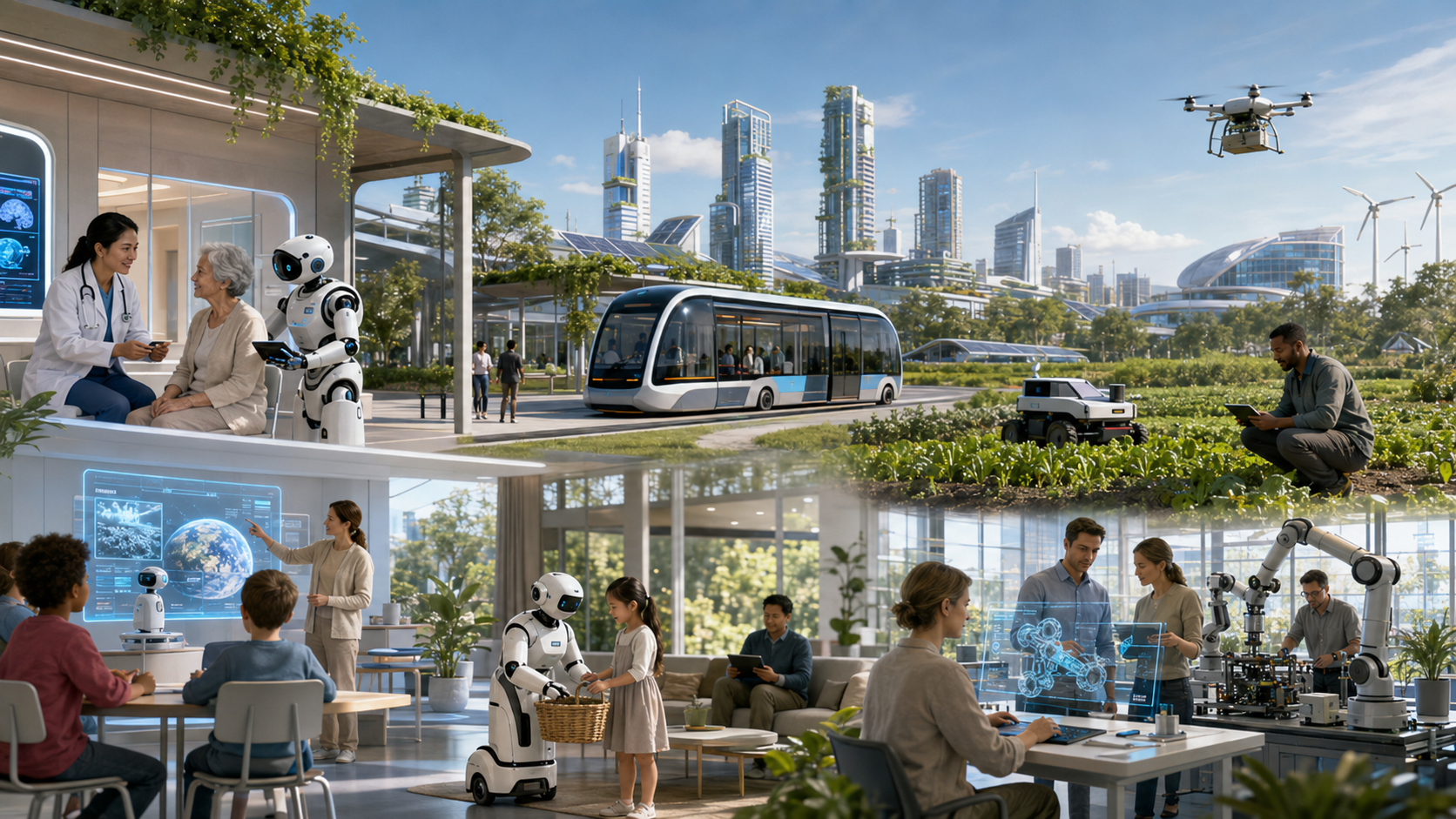
Technology can play a transformative role in reducing poverty by creating jobs, connecting small businesses to markets, improving agriculture, expanding financial inclusion and delivering education, healthcare and government services. It can give remote communities access to opportunities that were previously concentrated in major cities or wealthy countries.
However, distributing devices or launching applications is not enough. Technology reduces poverty only when people can afford it, understand it, trust it and use it to meet real needs. Investments in infrastructure must be supported by education, effective institutions, social protection, fair regulation and respect for human rights.
The goal should not simply be to make developing countries more digital. It should be to use technology to make their economies more inclusive, their governments more accountable and their people more capable of building secure and productive lives.
References
- World Bank. The Global Findex Database 2025. View source
- World Bank. Digital and AI. View source
- World Bank. Closing the Digital Gap Can Unlock Jobs and Reduce Poverty. View source
- World Bank. Digital Progress and Trends Report 2023. View report
- United Nations Development Programme. Three Ways Digital Transformation Accelerates Sustainable and Inclusive Development. View source
- United Nations Development Programme. Accelerating the SDGs through Digital Public Infrastructure. View publication
- Food and Agriculture Organization. Digital Technologies in Agriculture and Rural Areas. View publication
- UNESCO. AI and Technologies in Education. View source