Pakistan’s Primary School Education: Building the Foundation for the Nation’s Future
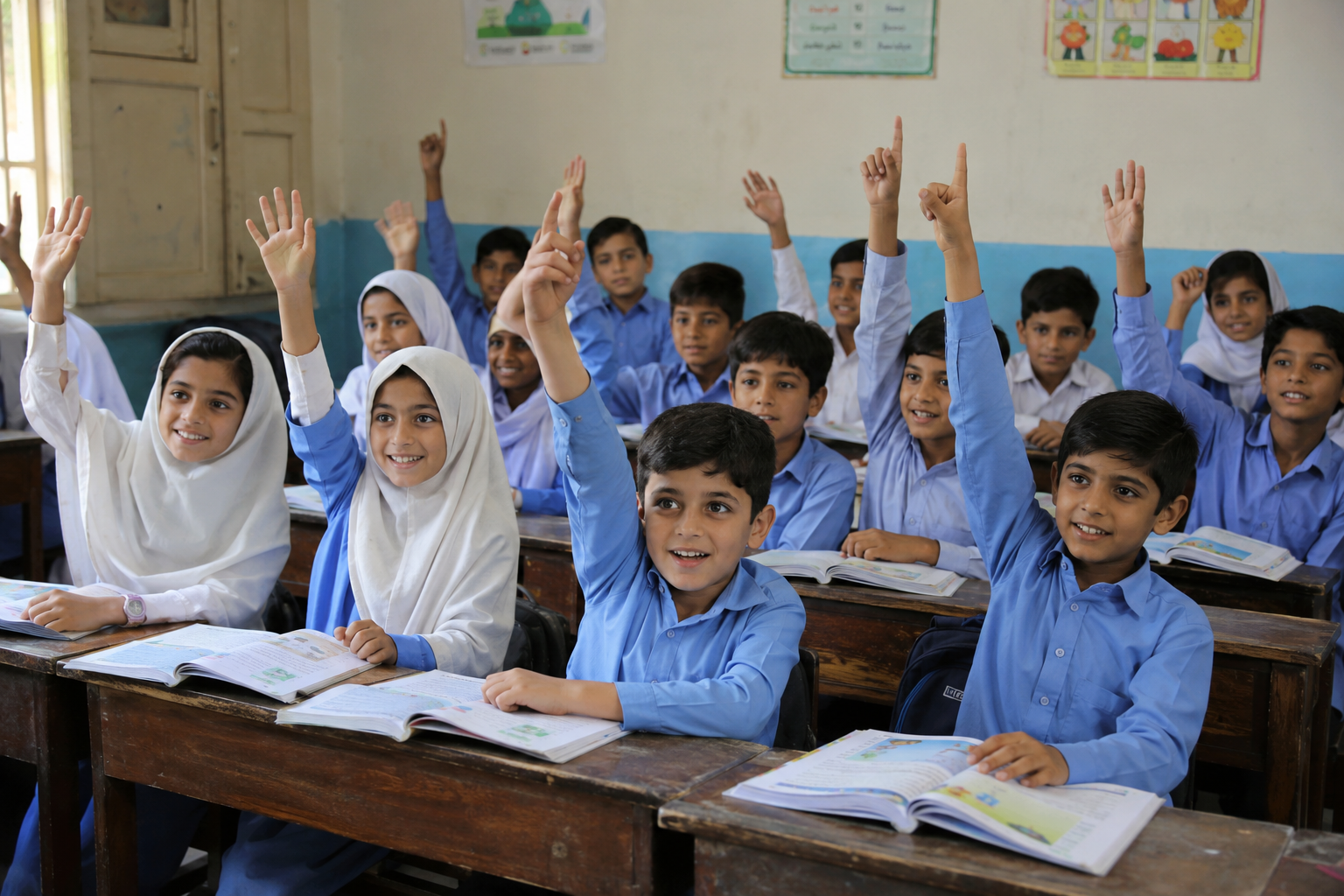
Primary education serves as the cornerstone of every country’s social and economic development. In Pakistan, primary education encompasses Grades 1 to 5, generally catering to children aged 5 to 10 years. It is intended to provide children with essential literacy, numeracy, critical thinking, and social skills that prepare them for higher education and productive citizenship.
Despite considerable progress over the past two decades, Pakistan’s primary education system continues to face significant challenges, including low enrollment, high dropout rates, inadequate infrastructure, teacher shortages, gender disparities, and insufficient public investment. Nevertheless, recent reforms by federal and provincial governments, supported by international organizations, offer hope for meaningful improvement.
Overview of Pakistan’s Primary Education System
Pakistan operates a decentralized education system following the 18th Constitutional Amendment (2010), under which education became primarily the responsibility of provincial governments. Each province—Punjab, Sindh, Khyber Pakhtunkhwa, and Balochistan—manages its own curriculum implementation, teacher recruitment, and educational administration while following national policy guidelines.
The education structure generally consists of:
- Early Childhood Education (ECE)
- Primary Education (Grades 1–5)
- Middle Education (Grades 6–8)
- Secondary Education (Grades 9–10)
- Higher Secondary Education (Grades 11–12)
According to the Pakistan Bureau of Statistics, approximately 24 million students were enrolled in primary education during 2022–23, making it the largest educational segment in the country. (Pakistan Bureau of Statistics)
Current Status of Primary Education
Pakistan has made notable improvements in school enrollment over recent decades, but access remains uneven.
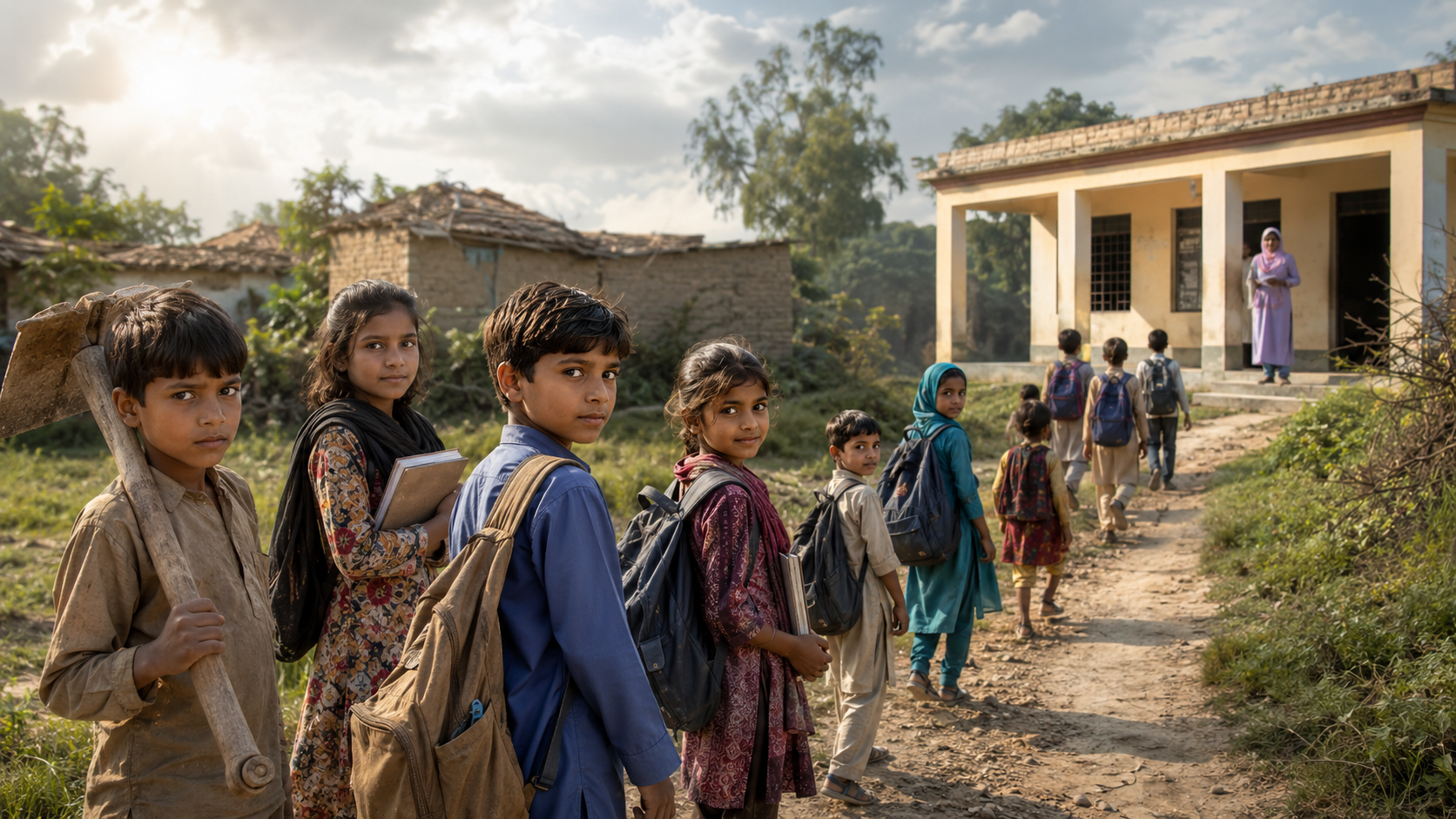
One of the country’s greatest educational challenges is the large number of children who remain outside the school system. According to UNICEF and UNESCO, approximately 25 million children between the ages of 5 and 16 are currently out of school, representing one of the largest out-of-school populations in the world. (UNICEF)
Major contributing factors include:
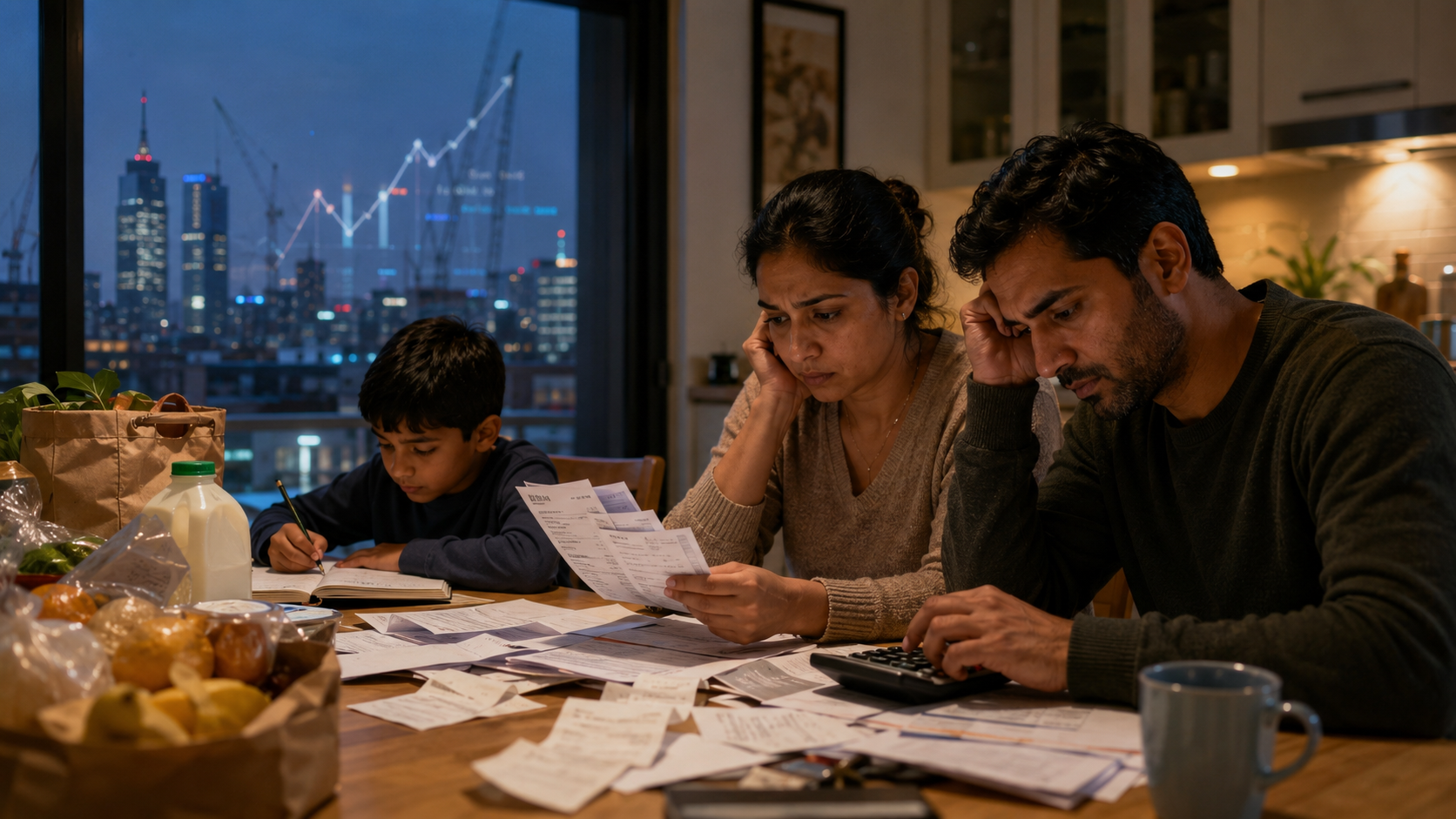
- Poverty
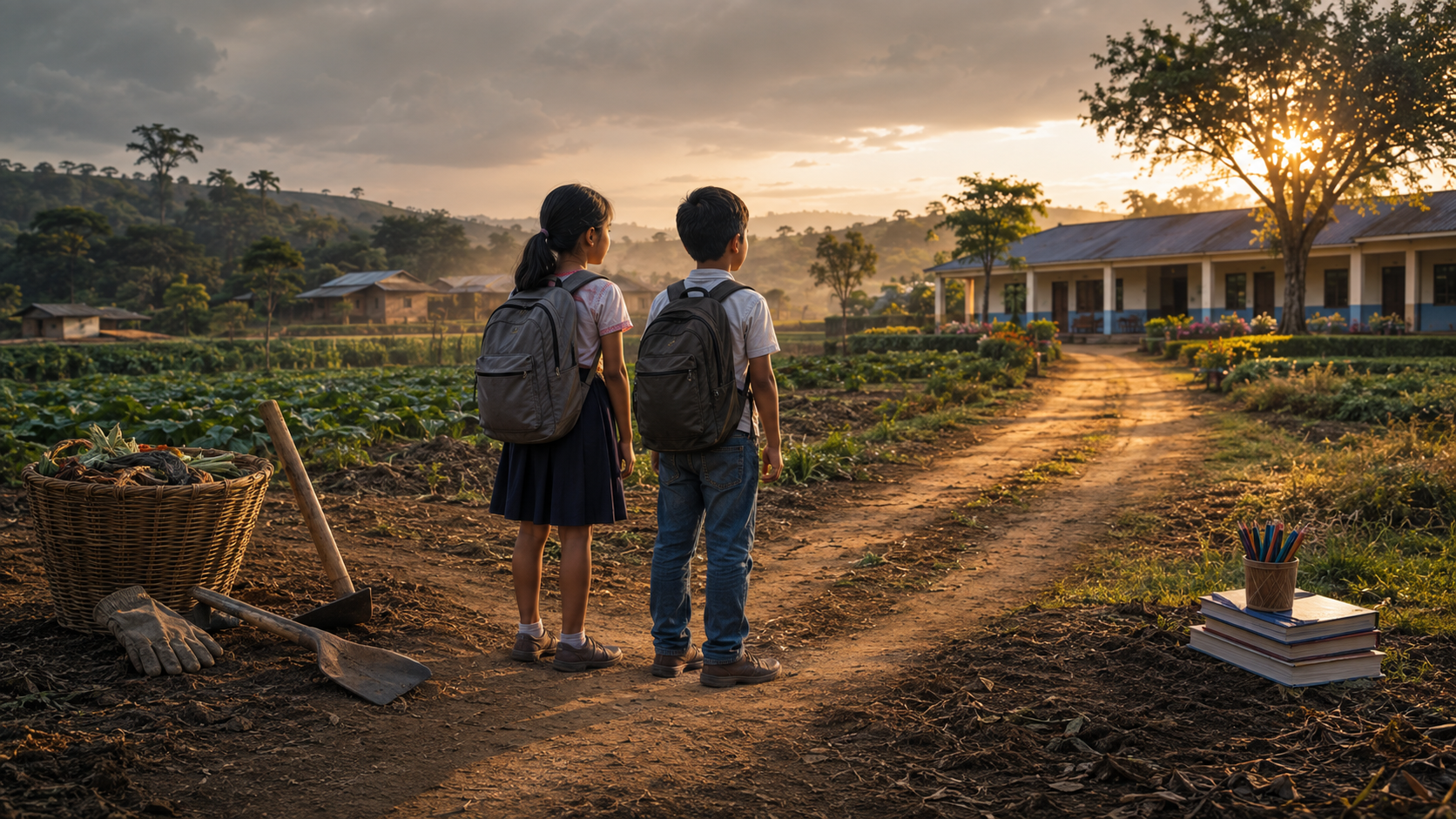
- Child labor
- Long travel distances to schools
- Lack of educational facilities
- Cultural barriers affecting girls’ education
- Natural disasters and displacement
- Poor school infrastructure
Importance of Primary Education
Primary education lays the groundwork for lifelong learning. It helps children develop:
- Reading and writing skills
- Basic mathematics
- Scientific understanding
- Communication skills
- Moral and civic values
- Problem-solving abilities
- Confidence and social interaction
Countries with strong primary education systems generally enjoy higher literacy rates, lower poverty levels, improved public health, and stronger economic growth.
Curriculum in Pakistani Primary Schools
Pakistan has gradually shifted toward a more standardized curriculum through the introduction of the Single National Curriculum (SNC), although implementation varies across provinces.
Core primary school subjects include:
- English
- Urdu
- Mathematics
- General Science
- Islamiat (for Muslim students)
- Social Studies
- Computer Science (in many schools)
- Arts
- Physical Education
The curriculum increasingly emphasizes conceptual understanding instead of rote memorization, although classroom practices still often rely heavily on traditional teaching methods.
Public vs Private Primary Schools
Pakistan has both government and private educational institutions.
Public Schools
Government schools provide free education and are the primary option for millions of families.
Advantages include:
- Free tuition
- Wider rural coverage
- Government-funded teachers
Challenges include:
- Infrastructure deficiencies
- Teacher absenteeism
- Large class sizes
- Limited teaching resources
Private Schools
Private schools have expanded rapidly over the past two decades.
Advantages include:
- Better facilities
- English-medium instruction
- Smaller class sizes
- Greater parental involvement
Challenges include:
- Higher tuition fees
- Uneven quality
- Limited access for low-income families
Major Challenges Facing Primary Education
1. Out-of-School Children
Pakistan continues to have one of the world’s largest populations of children who do not attend school. Poverty, conflict, disability, and gender inequality remain major barriers. (UNICEF)
2. Gender Disparity
Although enrollment among girls has improved, many rural districts continue to experience lower female participation because of social norms, early marriage, and inadequate school facilities.
3. Poor Infrastructure
Thousands of schools still lack:
- Electricity
- Drinking water
- Functional toilets
- Boundary walls
- Libraries
- Computer laboratories
These shortcomings negatively affect attendance and learning outcomes.
4. Teacher Quality
Many teachers receive limited professional development.
Challenges include:
- Outdated teaching methods
- Limited classroom management training
- Inadequate digital literacy
- Heavy administrative responsibilities
Continuous teacher training remains essential.
5. Learning Outcomes
Enrollment alone does not guarantee quality education.
Many students complete primary school without achieving expected proficiency in reading, writing, and mathematics. Improving foundational learning remains a national priority.
6. Limited Education Funding
Pakistan’s investment in education remains well below international recommendations. UNICEF notes that education spending has remained significantly below the UNESCO benchmark of allocating 4–6% of GDP to education, limiting improvements in infrastructure, teacher development, and learning resources. (UNICEF)
Government Reforms
Several reforms have been introduced to strengthen primary education.
Early Childhood Education (ECE)
Greater emphasis is being placed on preschool education to improve school readiness.
Digital Learning
Provincial governments are expanding:
- Smart classrooms
- Computer laboratories
- Digital content
- Online teacher training
Teacher Professional Development
Training programs increasingly focus on:
- Child-centered learning
- Modern teaching methods
- Continuous assessment
- Inclusive education
School Infrastructure
New investments aim to improve:
- Classrooms
- Clean drinking water
- Sanitation
- Solar energy
- School safety
Role of International Organizations
Several international organizations actively support Pakistan’s education sector.
These include:
- UNICEF
- UNESCO
- World Bank
- Asian Development Bank
Their initiatives include:
- Building schools
- Teacher training
- Girls’ education
- Alternative learning pathways
- Early childhood education
- Emergency education during floods and disasters
UNESCO has also supported large-scale Early Childhood Care and Education (ECCE) initiatives in South Punjab, improving access, classroom quality, and teacher training. (UNESCO)
The Role of Parents and Communities
Parental involvement significantly improves educational outcomes.
Families can support children by:
- Ensuring regular attendance
- Monitoring homework
- Encouraging reading at home
- Communicating with teachers
- Supporting girls’ education equally
Community participation through school management committees also improves accountability and school performance.
Future Priorities
Experts generally agree that Pakistan should focus on:
- Universal primary enrollment
- Reducing dropout rates
- Increasing education funding
- Recruiting qualified teachers
- Improving learning assessments
- Expanding digital education
- Enhancing school infrastructure
- Promoting inclusive education for children with disabilities
- Strengthening public-private partnerships
- Expanding early childhood education
Achieving Sustainable Development Goal 4 (SDG 4)—ensuring inclusive and equitable quality education for all by 2030—will require sustained political commitment and coordinated action.
Conclusion
Primary school education remains one of Pakistan’s most important investments in its future. While significant progress has been made in expanding enrollment and introducing curriculum reforms, substantial challenges persist, particularly regarding access, quality, gender equality, and educational financing.
Addressing these issues requires stronger government investment, better-trained teachers, improved school facilities, active community participation, and continued support from development partners. Every child who receives a quality primary education contributes not only to personal success but also to Pakistan’s long-term social stability and economic prosperity.
With sustained reforms and effective implementation, Pakistan can build an education system that equips every child with the knowledge, skills, and opportunities needed to thrive in the 21st century.
References
- UNICEF Pakistan. Education Programme. (UNICEF)
- UNESCO Pakistan. Education Programme and SDG 4 Initiatives. (UNESCO)
- UNESCO. 2026 Global Education Monitoring Report – Pakistan. (UNESCO)
- Pakistan Bureau of Statistics. Social Statistics – Education. (Pakistan Bureau of Statistics)
- UNESCO SDG 4 Knowledge Hub. Transforming Early Childhood Care and Education in South Punjab. (UNESCO)