Robin Morgan, Trailblazing Feminist Author and Women’s Media Center Co-Founder, Dies at 85
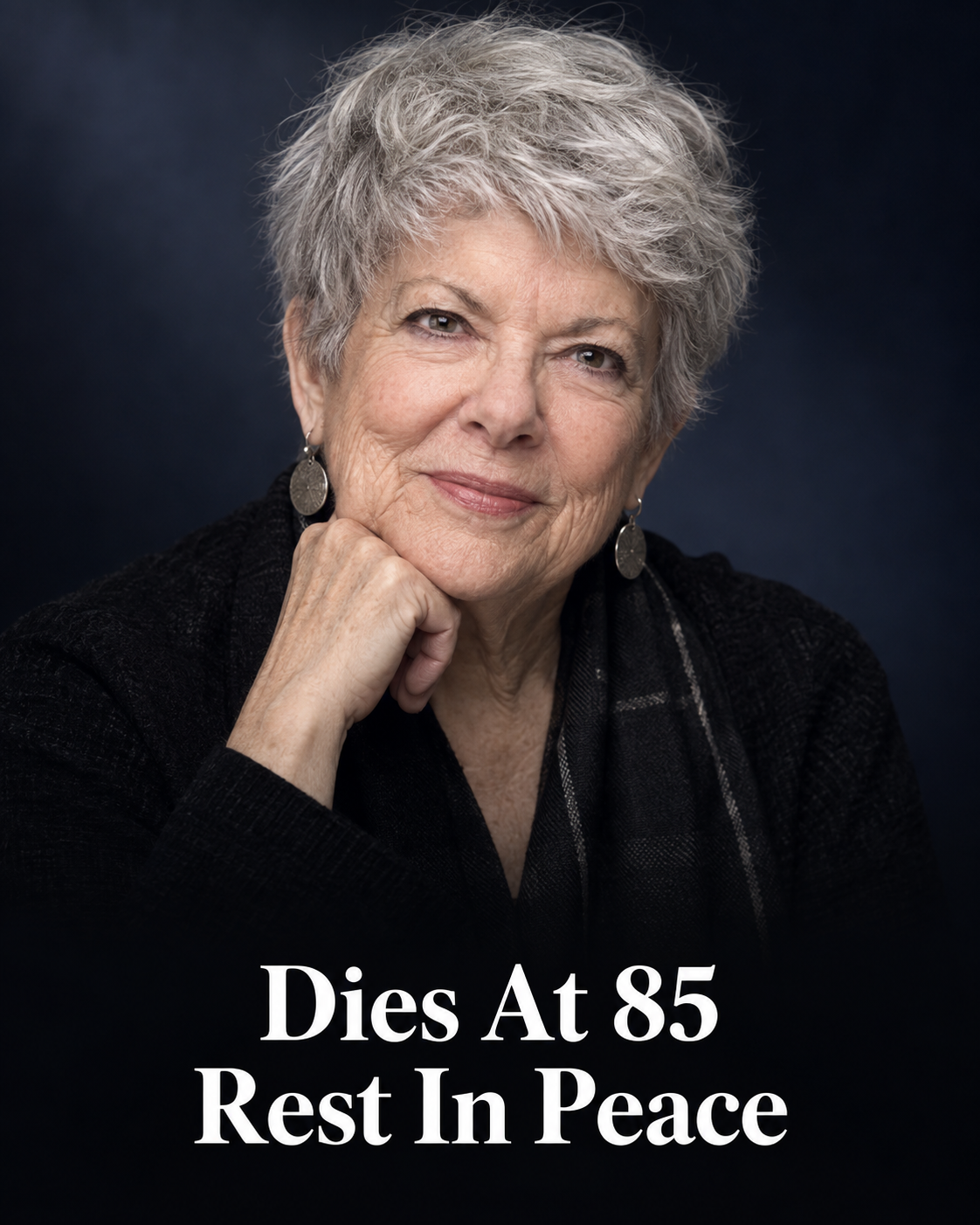
Robin Morgan, the influential feminist writer, poet, editor and activist who helped shape the modern women’s movement in the United States, has died at the age of 85.
Morgan died in New York on Saturday, September 5, after experiencing several health problems in recent weeks, according to her son, musician Blake Morgan. She had been diagnosed with Parkinson’s disease in 2010 but continued writing, broadcasting and speaking publicly for years. (apnews.com)
Her death came only days after the passing of her longtime friend and fellow activist Gloria Steinem. Together with actress and activist Jane Fonda, Morgan and Steinem founded the Women’s Media Center in 2005.
From Child Star to Political Activist
Born Robin Evonne Morgan on January 29, 1941, in Lake Worth, Florida, Morgan was raised in New York and entered the entertainment industry at an early age.
Known to audiences as “Little Robin Morgan,” she worked as a child actress and appeared in radio and television productions during the 1940s and 1950s. However, she ultimately left acting and transformed herself into a writer, poet and outspoken campaigner for social change.
During the 1960s, Morgan became involved in the civil rights and anti-war movements. Her frustration with the treatment of women within male-dominated political organizations eventually led her to concentrate more directly on women’s rights.
A Major Voice in Second-Wave Feminism
Morgan emerged as one of the most recognizable figures of second-wave feminism. She helped establish New York Radical Women and later became associated with the Women’s International Terrorist Conspiracy from Hell, better known as W.I.T.C.H.
She also participated in organizing the landmark 1968 protest against the Miss America pageant. The demonstration challenged the restrictive beauty standards and expectations imposed on American women.
Morgan’s writing was equally important to the movement. In 1970, she edited Sisterhood Is Powerful: An Anthology of Writings from the Women’s Liberation Movement. The collection brought together the work of numerous feminist thinkers and became one of the era’s foundational texts.
She later edited Sisterhood Is Global and Sisterhood Is Forever, expanding the conversation to include the experiences and struggles of women around the world.
Leadership at Ms. Magazine
Morgan maintained a long association with Ms. magazine, one of America’s most influential feminist publications. She began working as a contributing editor during the 1970s and served as editor-in-chief from 1989 until 1994.
Under her leadership, the publication was relaunched as an advertising-free international magazine. Its editorial work received recognition for both writing and design.
Morgan remained connected to the publication after leaving its top editorial position and continued contributing essays and commentary on politics, equality, media and women’s rights. (msmagazine.com)
Co-Founding the Women’s Media Center
In 2005, Morgan joined Jane Fonda and Gloria Steinem in establishing the Women’s Media Center. The nonprofit organization was created to increase women’s visibility, representation and decision-making power across the media industry.
Morgan later hosted, wrote and produced Women’s Media Center Live with Robin Morgan, a radio program and podcast featuring her commentary and conversations with authors, politicians, artists and activists.
Women’s Media Center President and CEO Julie Burton described Morgan as one of the architects of the contemporary women’s movement and praised her contributions as a journalist, author, poet and international campaigner for equality. (2026))
Author of More Than 20 Books
Morgan published more than 20 books during her career, spanning poetry, fiction, memoirs, essays and political commentary.
Among her notable works were Monster, Lady of the Beasts, The Demon Lover, Saturday’s Child, A Hot January, Fighting Words and Dark Matters. Her writing frequently explored feminism, politics, violence, identity, ageing and personal resilience.
Her influential essay “Goodbye to All That” criticized sexism within sections of the American left and became an important document in the development of radical feminist thought.
Morgan also helped popularize the word “herstory,” which was used to emphasize women’s experiences and perspectives often overlooked in conventional historical narratives.
She Continued Working Despite Parkinson’s Disease
Morgan was diagnosed with Parkinson’s disease approximately 16 years before her death. Rather than withdrawing completely from public life, she addressed the condition through her poetry and speeches.
She discussed living with Parkinson’s during a 2015 TEDWomen appearance and continued working on poems and books during the final years of her life.
Her later collection Dark Matters examined ageing, mortality, physical change and the determination to remain creatively engaged.
A Lasting Influence on Women’s Rights
Robin Morgan’s career crossed entertainment, publishing, literature, broadcasting and political organizing. Her work helped bring women’s experiences into public debate while challenging discrimination in politics, culture and the media.
From her beginnings as a celebrated child performer to her role as an international feminist leader, she repeatedly reinvented herself while remaining committed to equality and social justice.
She is survived by her son, Blake Morgan. Her writings, organizations and decades of activism leave behind an enduring influence on journalists, authors and women’s rights campaigners around the world.